
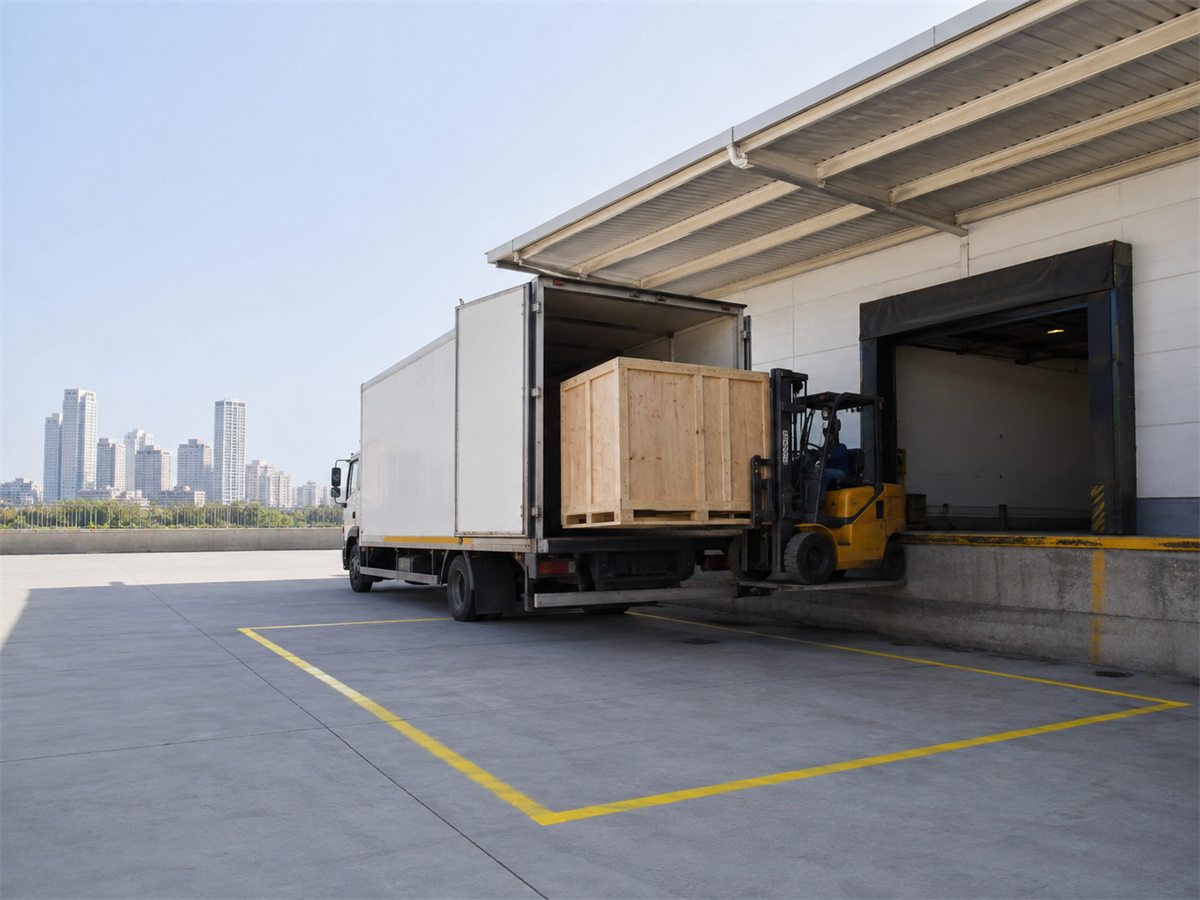
The seller is responsible for unloading cargo under DPU Incoterms. DPU stands for Delivered at Place Unloaded. In the International Chamber of Commerce Incoterms 2020 rulebook, DPU is the only delivery term that requires the seller to unload the shipment at destination. While this arrangement simplifies operations for the buyer upon arrival, it creates operational liabilities for the seller in foreign territory. This guide explains unloading duties, risk transfer points, cost allocation, and practical trade differences across DPU, DAP, and DDP shipments.
Who Unloads the Cargo Under DPU Incoterms?
Under DPU terms of delivery, the seller unloads the goods from the arriving transport vehicle at the agreed destination. Risk transfers from the seller to the buyer only after the freight is safely discharged and rests on the ground, loading dock, or facility floor.
If cargo suffers damage or falls during unloading, the seller bears that financial loss. Because DPU applies to any transport mode, the destination may be a seaport container yard, an inland rail depot, a commercial warehouse, or an open construction site. Under standard international shipping terms, the seller must arrange, manage, and pay for the specific labor and lifting machinery required to remove the cargo from the vehicle.
How Does DPU Compare to DAP and DDP?
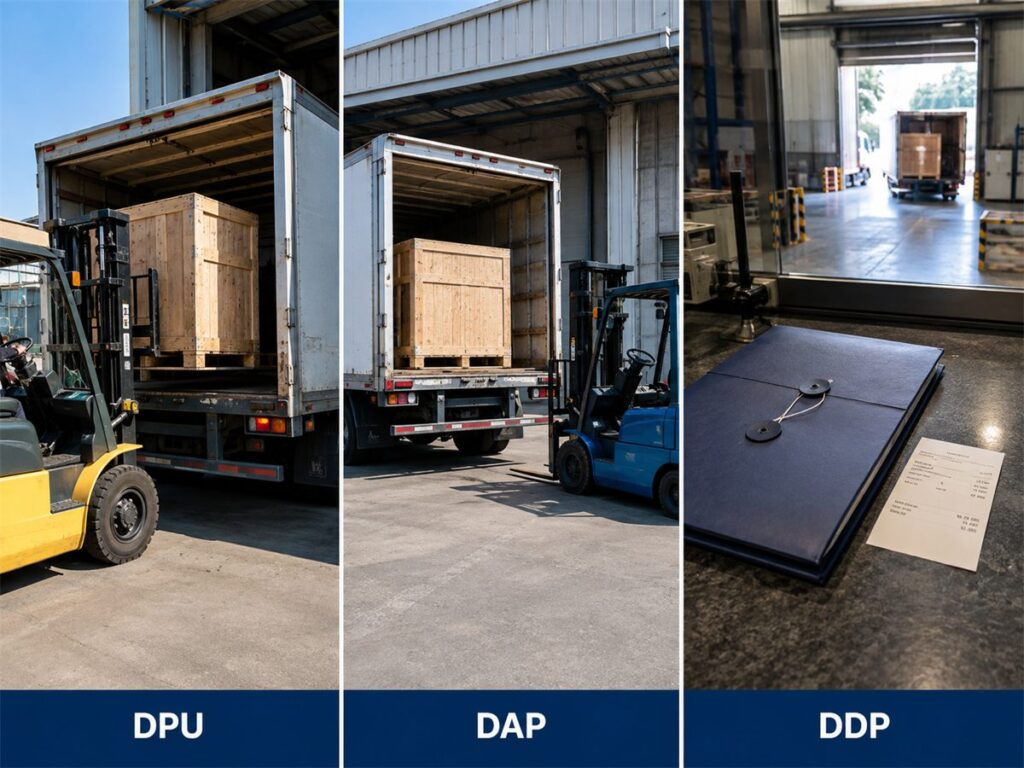
The primary difference between DAP and DPU Incoterms centers on which party carries the physical unloading obligation at destination. Evaluating how different Incoterms in shipping divide transport risk clarifies how adding DDP changes customs duty responsibility.
| Incoterm Rule | Unloading Party | Risk Transfer Point | Import Clearance | Import Duty & Taxes |
|---|---|---|---|---|
| DPU (Delivered at Place Unloaded) | Seller | Destination, after complete unloading | Buyer | Buyer |
| DAP (Delivered at Place) | Buyer | Destination, on vehicle ready for unloading | Buyer | Buyer |
| DDP (Delivered Duty Paid) | Buyer | Destination, on vehicle ready for unloading | Seller | Seller |
DPU Versus DAP on Destination Unloading
Under DAP shipping terms, the seller delivers the freight when the vehicle arrives at the named place ready for unloading. The buyer must provide the labor, forklifts, or overhead cranes to remove the freight from the carrier. In contrast, DPU requires the seller to hire local handling teams and lifting equipment to unload the cargo before delivery is legally complete.
DPU Versus DDP on Import Duties and Taxes
While DPU shifts destination handling to the seller, it leaves import customs formalities with the buyer. The buyer pays import tariffs, value-added taxes, and port inspection charges under DPU terms. In contrast to DAP vs DDP agreements where the seller pays import duties under DDP, a DPU seller completes delivery without touching import tariffs.
Why Did Incoterms 2020 Replace DAT With DPU?
In the Incoterms 2020 revision, the International Chamber of Commerce replaced DAT (Delivered at Terminal) with DPU (Delivered at Place Unloaded). Similar to historical transitions surrounding DDU Incoterms, this modification resolved practical contracting limits that confused commercial shippers for years.
Moving Beyond Dedicated Maritime Terminals
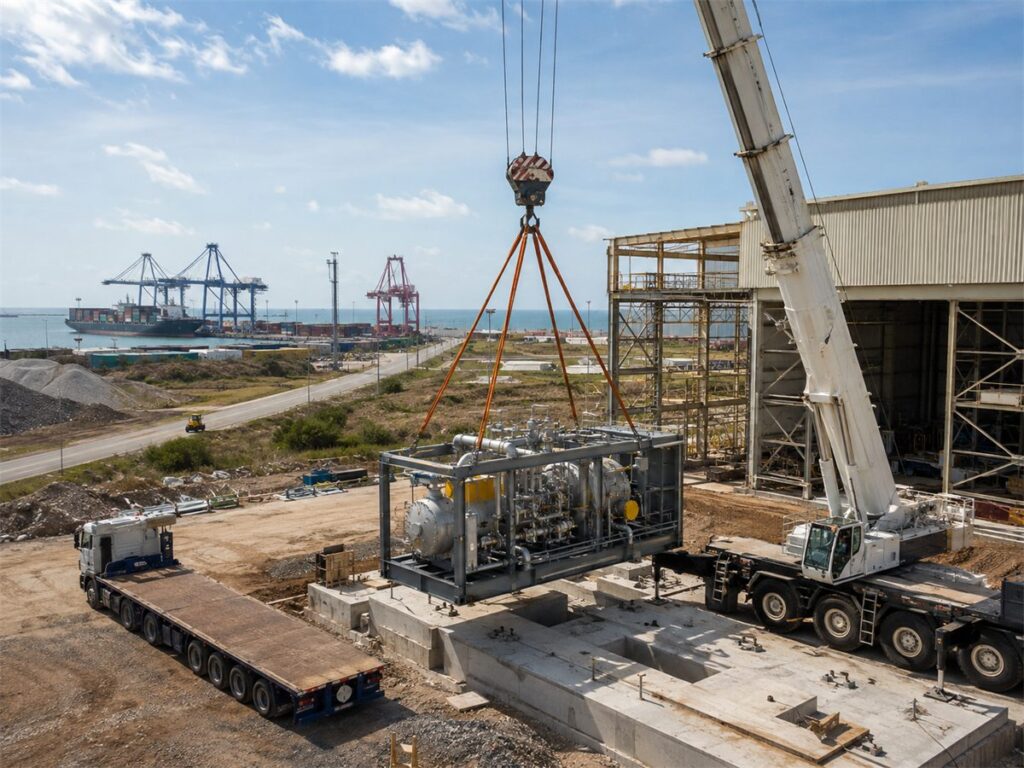
The 2010 term DAT suggested that delivery could occur only at maritime container quays, air cargo sheds, or rail depots. Commercial buyers often needed cargo delivered and discharged directly at private distribution centers or fabrication plants. Renaming the term removed the narrow terminal restriction and confirmed that unloading can take place at any named location.
Expanding Delivery to Inland Warehouses and Job Sites
The change from DAT to DPU gives traders flexibility to name inland industrial addresses as the delivery point. A contractor purchasing steel or modular assemblies can require the exporter to deliver and unload directly onto a project site. The new rule accommodates modern supply chains where multi-modal transit ends far away from maritime port facilities.
Which Operational Risks Arise When Sellers Handle Unloading?
Assuming destination unloading obligations exposes overseas exporters to practical logistics problems in destination countries where they lack physical facilities.
Sourcing Lifting Equipment at Foreign Job Sites
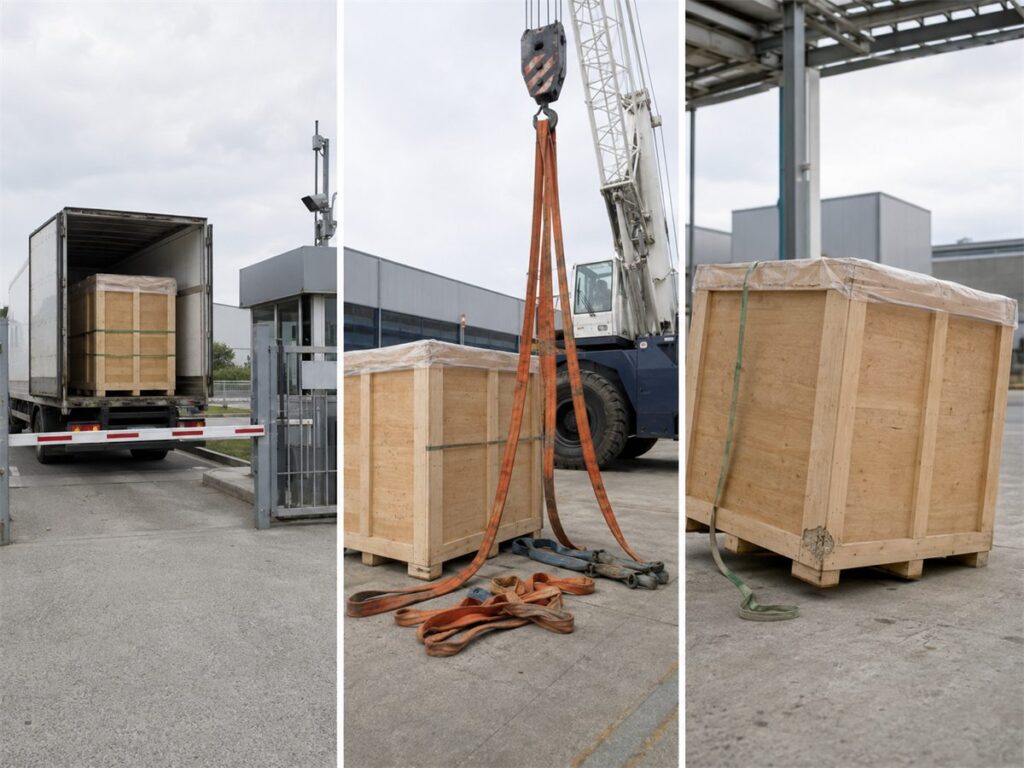
Heavy industrial machinery, oversized crates, and specialized project cargo cannot roll off standard flatbed trucks without heavy cranes or lifting gear. An exporter based in China may struggle to hire vetted heavy-lift specialists or mobile crane operators in distant metropolitan areas. If specialized machinery is not arranged before delivery day, arriving drivers face extended idle delays.
Managing Import Clearance Delays Before Discharge
Because the buyer controls import customs clearance under DPU, an unreleased customs entry halts the delivery truck outside the facility gate. The carrier cannot legally unload unmanifested or uncleared foreign cargo on local property. Delays caused by the buyer trigger demurrage, detention, and driver waiting fees that often spark commercial disputes over invoice responsibility.
Insuring Cargo Damage During the Unloading Process
Unloading is one of the highest-risk phases in physical transport. If hoist cables snap or a forklift pierces an industrial crate during unloading, the loss occurs before official delivery under DPU. Standard cargo insurance policies often terminate coverage once a conveyance arrives at the warehouse perimeter, unless the seller secures an extended policy that covers unloading operations abroad.
How Should Importers and Exporters Structure DPU Agreements?
Executing a successful DPU contract requires precise contract drafting and active coordination with freight partners providing comprehensive door-to-door shipping solutions across international borders.
Specifying the Precise Destination Address and Unloading Spot
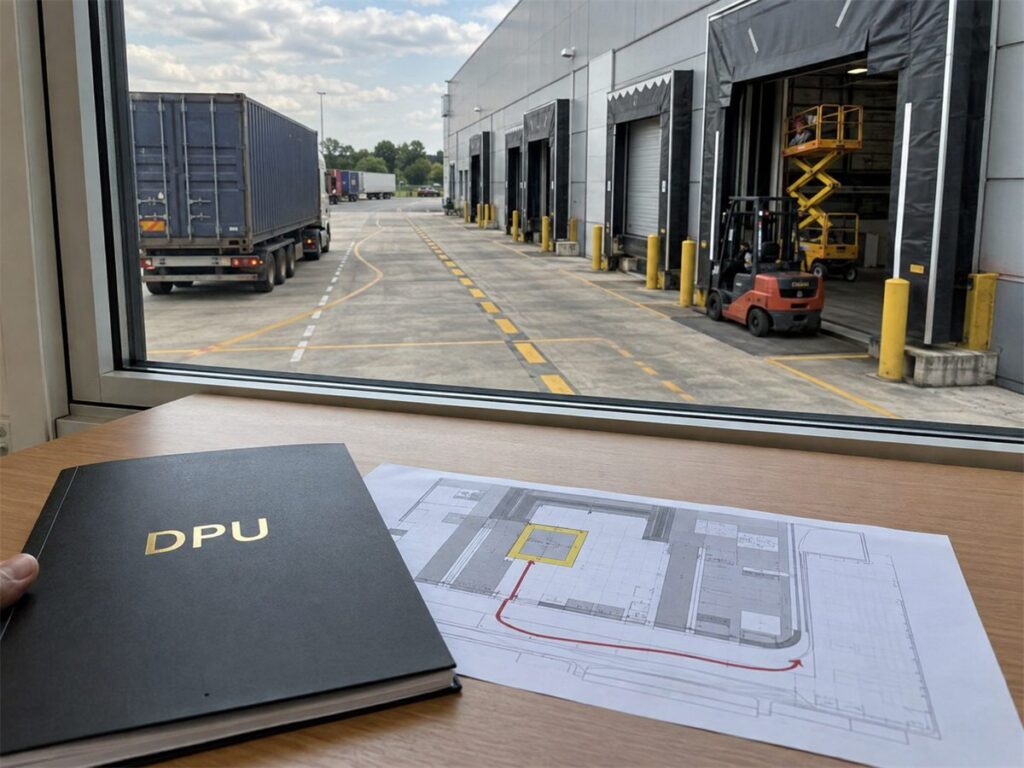
General references to a city or postal code create ambiguity under DPU rules. Sales contracts should specify the exact street address, warehouse bay number, or ground coordinates, followed by the reference Incoterms 2020. Writing “DPU 450 Logistics Way, Bay 6, Memphis, TN, Incoterms 2020” eliminates confusion over where transit ends and where unloading must finish.
Aligning Forwarder Capabilities for Destination Handling
Exporters must partner with an experienced freight forwarder capable of managing destination trucking and local handling crews. A dedicated China freight forwarder such as Foresmart, operating as an FMC-licensed NVOCC (code 031352), coordinates destination partner agents to schedule liftgate trucks, crane operators, or warehouse discharge. Confirming destination capabilities before signing an export agreement prevents expensive demurrage claims and delivery failures.
Frequently Asked Questions
Who Pays Import Duties Under DPU Incoterms?
The buyer pays all destination import duties, excise taxes, and customs broker fees under DPU. The seller covers export documentation and export clearance fees at origin, but local import tariffs remain the buyer’s legal and financial obligation.
What Happens if Cargo Is Damaged While Being Unloaded Under DPU?
The seller bears the financial risk for cargo damage that occurs during the unloading process. Risk transfers to the buyer only after the cargo has been safely discharged from the vehicle, meaning the seller must pursue claims against their own insurers or contracted handlers.
Can DPU Be Used for Any Mode of Transport?
DPU is a multimodal Incoterm suitable for all modes of transport, including ocean container shipping, air cargo, rail transport, and road freight. It functions effectively in multimodal transport agreements that combine ocean transit with inland trucking.
Is Seller Insurance Mandatory Under DPU?
Incoterms 2020 rules do not impose a mandatory obligation on the seller or buyer to purchase cargo insurance under DPU. However, because the seller carries physical loss risk until cargo is unloaded at destination, maintaining comprehensive all-risk transit insurance is standard commercial practice.