
Get each supplier’s product description and six-digit HS code to your forwarder before the shipping instructions cutoff, because a container bound for the EU can’t load in China without an accepted Entry Summary Declaration (ENS). The ENS is filed in the EU’s Import Control System 2 (ICS2). EU customs uses the ENS to screen cargo for safety and security risks before it arrives. The carrier usually files it, often with a forwarder filing part of the data, and the details you supply decide whether the filing is accepted on time.
Who Files the ENS for Ocean Freight?
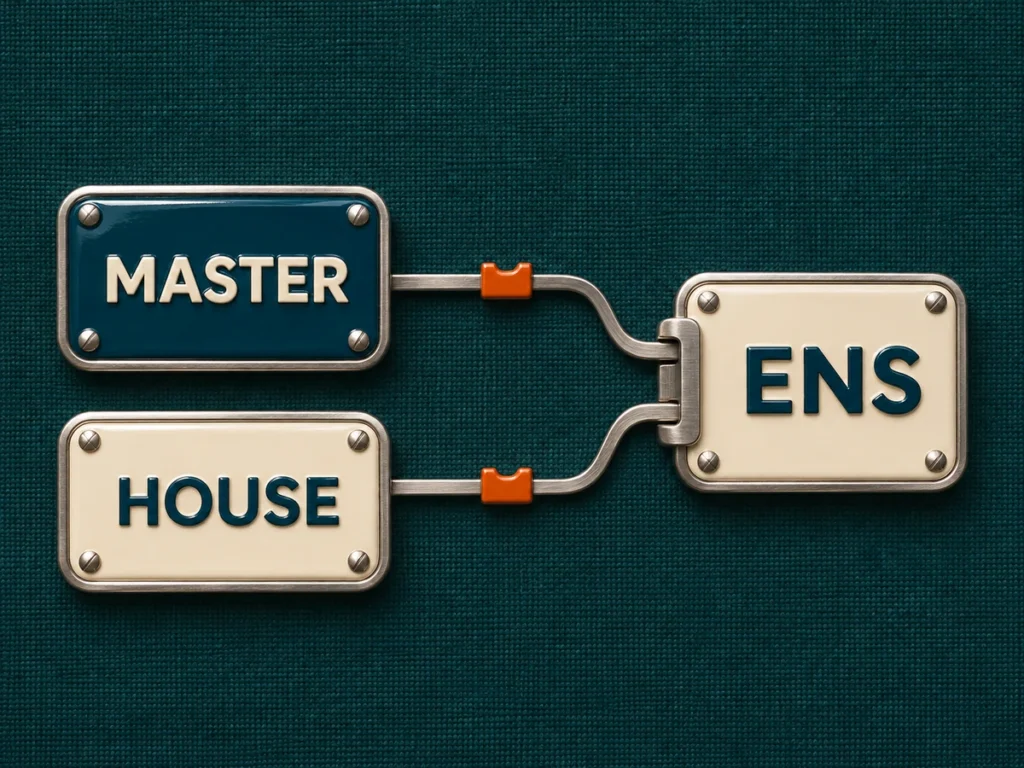
The ocean carrier lodges the ENS, but the bill of lading structure decides who supplies or files each part. A carrier issuing a master bill of lading needs the data behind any house bills a forwarder has issued. When the forwarder won’t share that data, both parties file separately, which ICS2 calls multiple filing.
| Shipping Arrangement | Who Files What |
|---|---|
| You book directly with the carrier, with no house bill | The carrier files one complete ENS from your shipping instructions |
| A forwarder issues a house bill and shares its data with the carrier | The carrier files one complete ENS |
| A forwarder issues a house bill but keeps its data from the carrier | The carrier files the master-level data and declares the forwarder’s EORI number; the forwarder files the house-level data |
| Buyer and seller details sit only with the consignee | The consignee may need to file them, depending on its contracts |
When filing is split, ICS2 has to link the parts. EORI (Economic Operators Registration and Identification) numbers and the master bill reference tie them together, so ask both filers to use the same master bill reference, character for character. A reference typed with an extra prefix or hyphen in one filing can stop two otherwise valid submissions from matching.
What Information Do You Need for ICS2 Filing?
Most ENS data comes from documents you already hold. Maersk traces customs failures to errors in shipping instructions, especially HS codes, EORI numbers, party details and cargo descriptions, so check those fields most closely.
| Data | Where It Comes From | What to Check |
|---|---|---|
| Goods description and six-digit HS code | Supplier product records and the commercial invoice | Each type of goods has its own specific description and matching code |
| Buyer, seller, consignor and consignee | Commercial records and shipping instructions | Full names, structured addresses and EORI numbers where assigned |
| Package count, packaging type and gross weight | Supplier packing lists and warehouse receiving records | Final packed figures for the cargo that’s actually shipping |
| Bill references and routing | Booking records from the carrier or forwarder | The master and house references and the first EU port |
Goods Description and HS Code
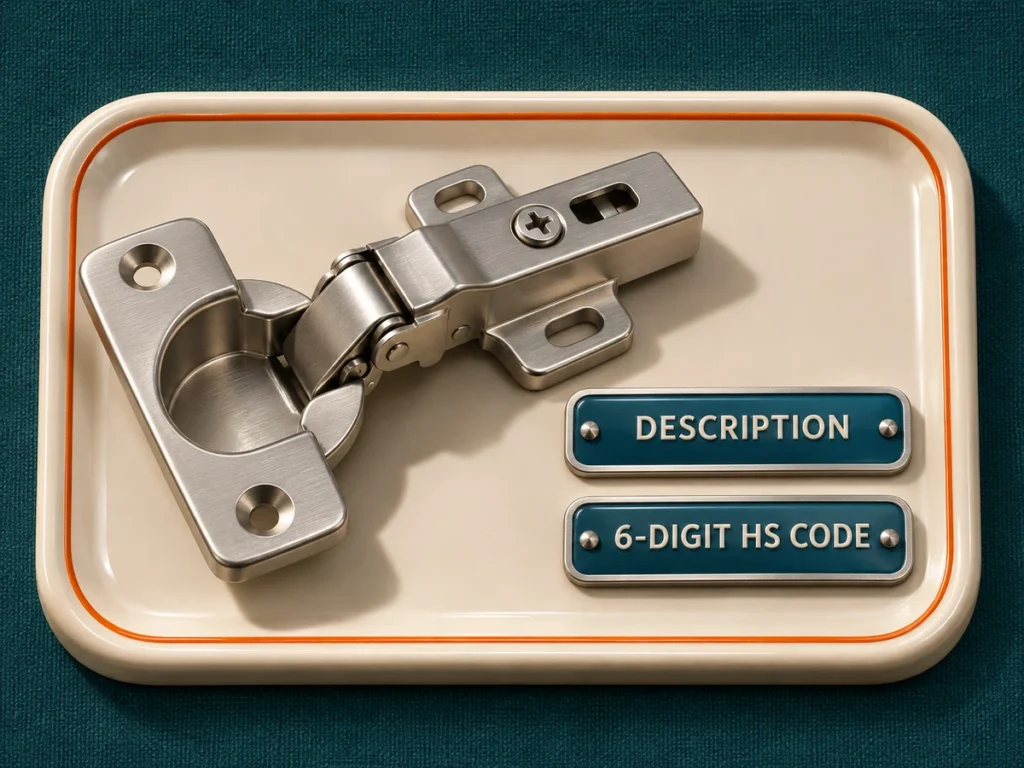
Write a description that customs can identify without opening the invoice. EU guidance calls for a complete and accurate commercial description. Maersk also asks for specific cargo descriptions rather than generic terms such as “accessories” or “apparel.” Replace “hardware” with “stainless steel cabinet hinges” if that’s what the cartons hold. Give each description a six-digit HS code checked against the 2022 Harmonized System. If the code and the description point to different goods, have your customs broker check the classification before the file goes out.
Buyer, Seller and Other Parties
Keep the commercial parties apart from the transport parties. A factory might ship the cartons while a trading company appears as seller on the invoice, so give the filer both records and let it assign each role. Carriers ask for structured party details (name, street, city, postal code and country) for the buyer, seller and house bill parties, plus the EORI number of the next party filing. Maersk requires that EORI to be valid and active, so check it before the data goes out.
When Is the ENS Due for Container Freight?
For deep-sea container cargo from China, EU law sets the ENS deadline at 24 hours before the goods are loaded onto the vessel at the port of departure. Carrier policies can make the practical deadline earlier, and your booking’s cutoffs come earlier still.
| Deadline | Set By | What It Requires |
|---|---|---|
| Shipping instructions cutoff | Your booking | Your data reaches the carrier or forwarder with time to file and fix errors |
| Carrier MRN deadline | Carrier policy (Maersk: 24 hours before the vessel arrives at the compliance load port) | An accepted ENS with a Movement Reference Number (MRN) |
| Legal ENS deadline | EU customs law | ENS lodged at least 24 hours before loading |
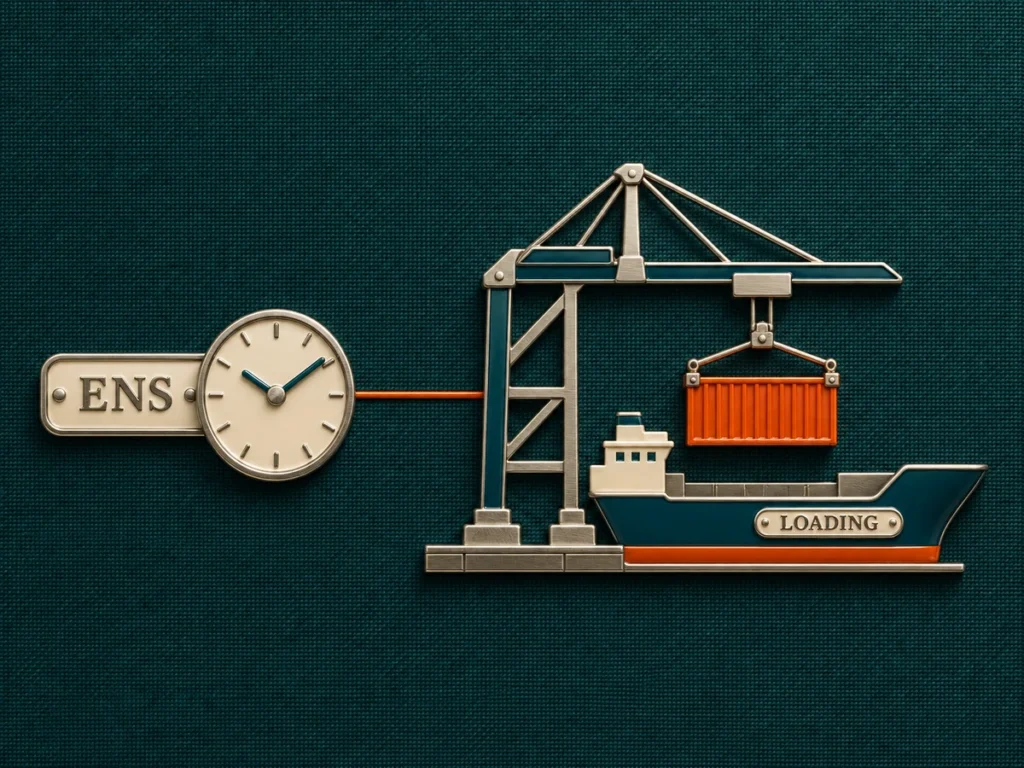
Maersk’s policy, for vessels arriving at the first load port from September 30, 2026, removes cargo without a valid MRN from the load list, and that cargo may roll to a later vessel. On a feeder routing, ask which vessel and load port the carrier counts as the compliance point, then set supplier deadlines that leave room to correct rejected data. When several parties file, ask your booking contact to confirm that every part was accepted and linked.
Preparing ICS2 Data for a Multi-Supplier Container
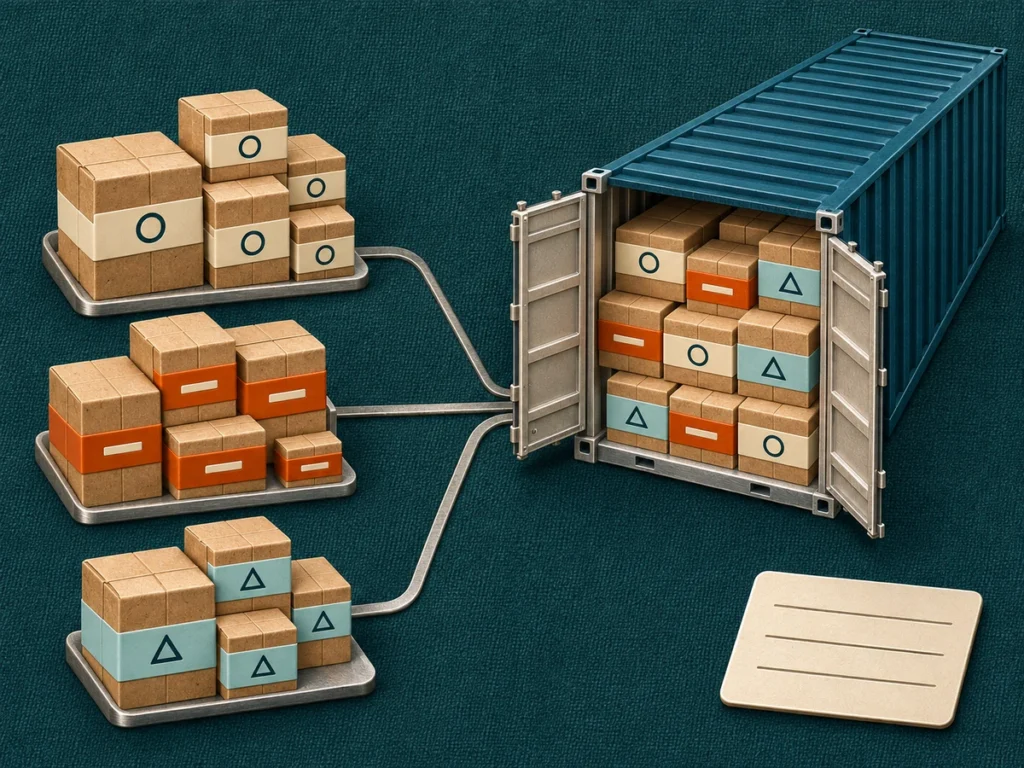
Keep each supplier order traceable to its own documents, even after the goods are combined. Suppose you buy cabinet fittings from one factory and furniture parts from two others for one full container load (FCL) to Germany. Keep one record per order with the purchase order reference, pickup address, cargo-ready date, product descriptions, HS codes and the person who can correct that supplier’s documents. The filing itself still follows the transport documents and the agreed filing arrangement, but the filer needs that order-level detail to describe the goods.
With multi-supplier consolidation, reconcile each warehouse delivery before the combined packing list is final. If the second factory delivers fewer cartons than planned, update its count and weight before the data goes to the filer. If its balance arrives late, decide whether to hold the container or ship the ready cargo and book the balance separately, because the ENS has to describe what’s actually loaded.
Booking EU Sea Freight With ICS2 Filing Roles Agreed
Foresmart, a China-based freight forwarder, collects from suppliers across China, checks incoming cartons against purchase order references at its warehouses, handles agreed labeling, repacking or palletizing, and coordinates the combined sea booking. Your team and the filer can work from the same receiving record, so the ENS describes the cargo that arrived rather than the cargo that was ordered.
For shipping from China to Europe, send the supplier locations, ready dates, estimated carton counts and weights, any warehouse work you need and the final delivery postal code. Ask the booking team to confirm the pickup plan, the shipping instructions cutoff and who will file each part of the ENS. Shipments start at 100 kg or 1 cubic meter (CBM).
Frequently Asked Questions
Can You Keep Buyer and Seller Details Private From the Ocean Carrier?
Yes, if a supplementary declarant files them. MSC’s guidance lets that party send house bill and buyer and seller data straight to EU customs without disclosing it to the carrier. The carrier still needs the supplementary declarant’s EORI number to link the filings, so agree on the arrangement before booking.
Can You Correct an ENS After It Has Been Filed?
Yes, until customs blocks it. The declarant can amend the ENS until customs says it intends to examine the goods or has prohibited loading, finds the filed data incorrect, or the goods have been presented to customs. Tell the party that filed the affected part as soon as a supplier changes the cargo details.
Does ICS2 Apply If Your Cargo Only Transships in the EU?
Yes. The rules cover cargo transshipped at an EU port and freight remaining on board. When goods aren’t delivered in the EU, a house filer declares the house bill data without the buyer and seller, so give the forwarder the full routing and final place of delivery.
Source
- Import Control System 2, European Commission: ICS2’s purpose, coverage of goods brought to or through the EU, and single or multiple ENS filing.
- Release 3: Prepare your business for sending goods to or via the EU by sea and inland waterways, European Commission: multiple-filing roles, forwarder EORI declaration, commercial descriptions, six-digit HS codes and party data.
- Deadlines for lodging the entry summary declaration, German Customs: the 24-hour pre-loading deadline for deep-sea container cargo.
- Amendment and diversion, German Customs: when an entry summary declaration can no longer be amended.
- No Movement Reference Number (MRN)-No Load Policy for the cargo transiting via European Union, Maersk: the MRN deadline, effective date, load-list removal and shipping instruction data requirements.
- EU Import Control System 2 (ICS2) Operational Guide, MSC: direct filing of buyer and seller data, the EORI needed for linking, and transshipment and FROB data.