
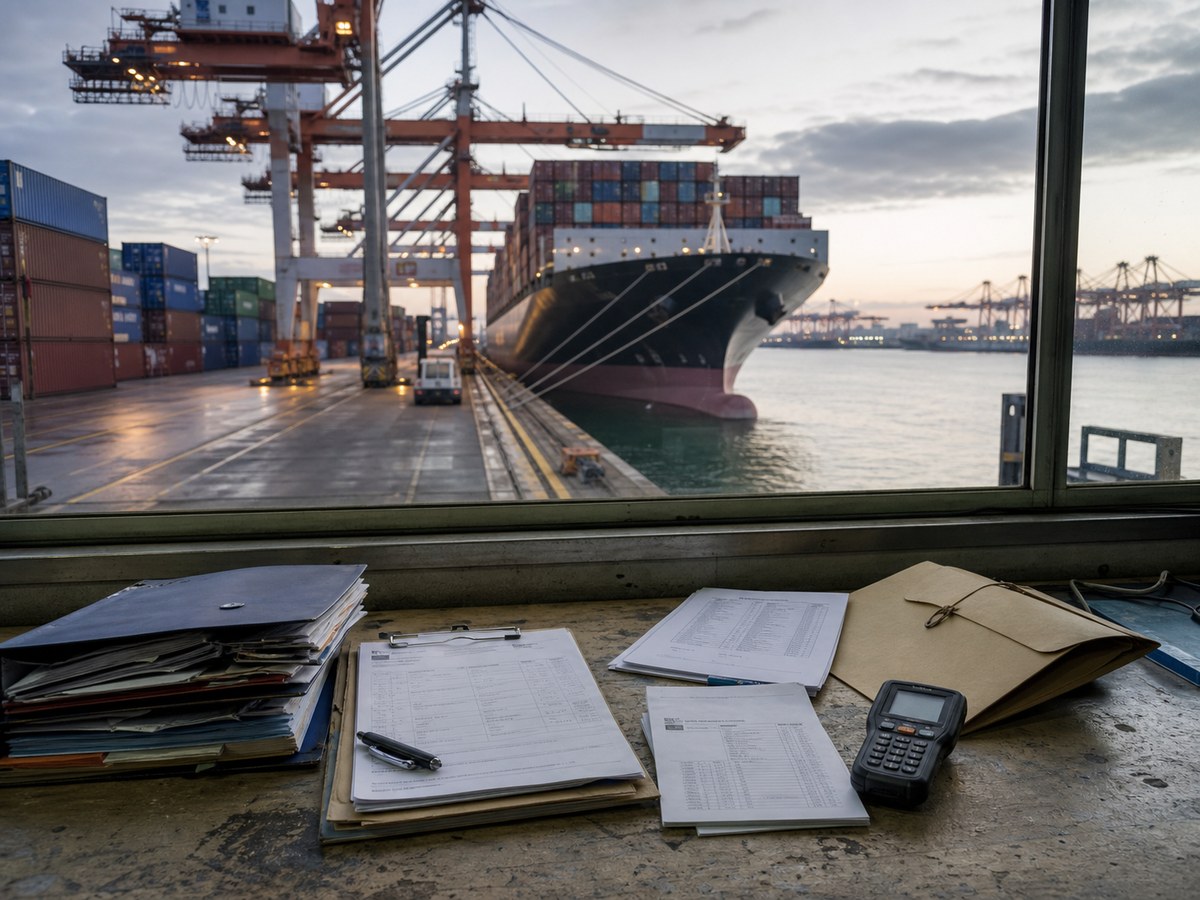
Most sea freight shipments from China need a commercial invoice, packing list, and bill of lading. A packed FCL container may also need a verified gross mass declaration before loading. Product rules, destination rules, and payment terms can add more records. The practical task is to make every version describe the same shipment before the carrier cutoff.
Which Documents Do Most Sea Freight Shipments Need?
Most importers start with commercial records, transport instructions, and the carrier’s transport document. The exact format and deadline depend on the booking, carrier, and destination. These documents form a practical working set for a China-origin sea shipment.
| Document | What It Does | Usually Prepared By | Check Before Departure |
|---|---|---|---|
| Commercial invoice | Records the sale and declared goods | Supplier or exporter | Seller, buyer, goods description, quantity, value, currency, and Incoterm |
| Packing list | Lists the packed cargo | Supplier or packing facility | Package count, marks, weights, dimensions, and contents by package |
| Shipping instructions and bill of lading | Gives the carrier booking data and records the carriage | Forwarder or carrier, using shipper instructions | Parties, cargo description, ports, package count, freight terms, and release method |
| Verified gross mass | States the verified gross mass of a packed container when SOLAS rules apply | Shipper or authorized party | Carrier format, submission deadline, and match with the packed container |
Commercial Invoice and Packing List
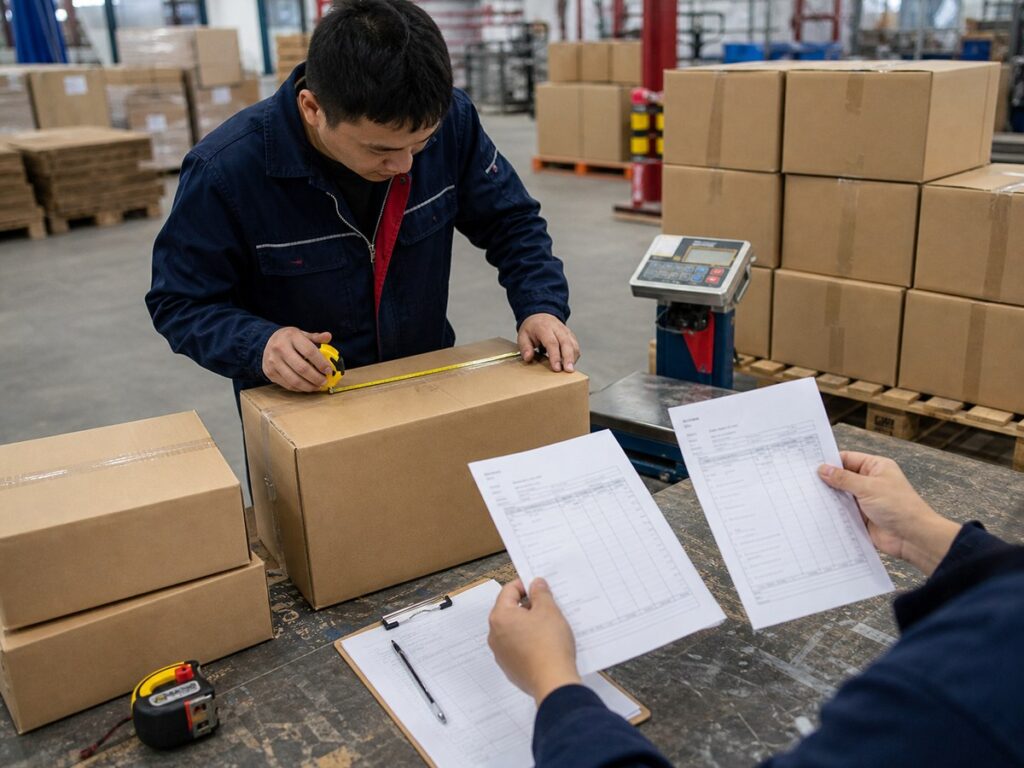
The commercial invoice identifies the sale. The packing list identifies the physical cargo. These documents do not need to use the same layout, but the product description, quantities, and shipment parties must not conflict.
The packing list should make it easy to find the contents of each carton, pallet, crate, or container. A broker, warehouse, or customs authority may need that detail during cargo review.
Bill of Lading and Shipping Instructions
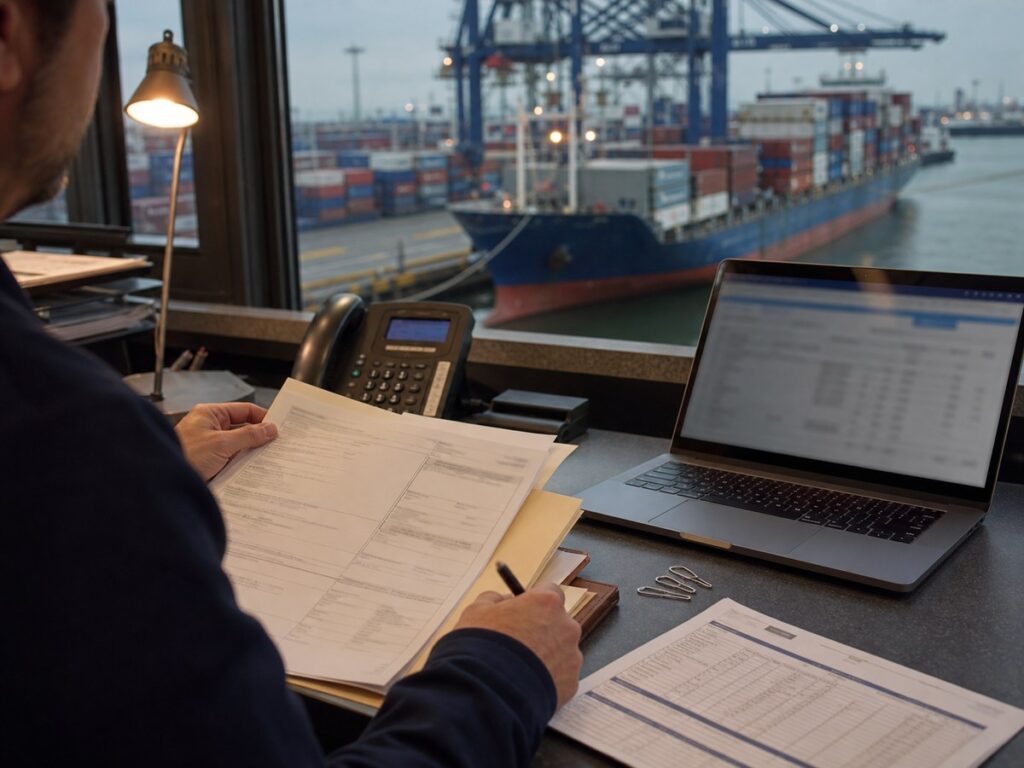
Shipping instructions give the carrier or forwarder the data used to prepare transport records. The bill of lading then identifies the shipment parties, cargo, routing, freight terms, and release path.
Check the draft bill of lading before the carrier finalizes it. A wrong consignee, notify party, package count, or cargo description can affect customs data, cargo release, or an amendment after sailing.
Verified Gross Mass for Packed Containers
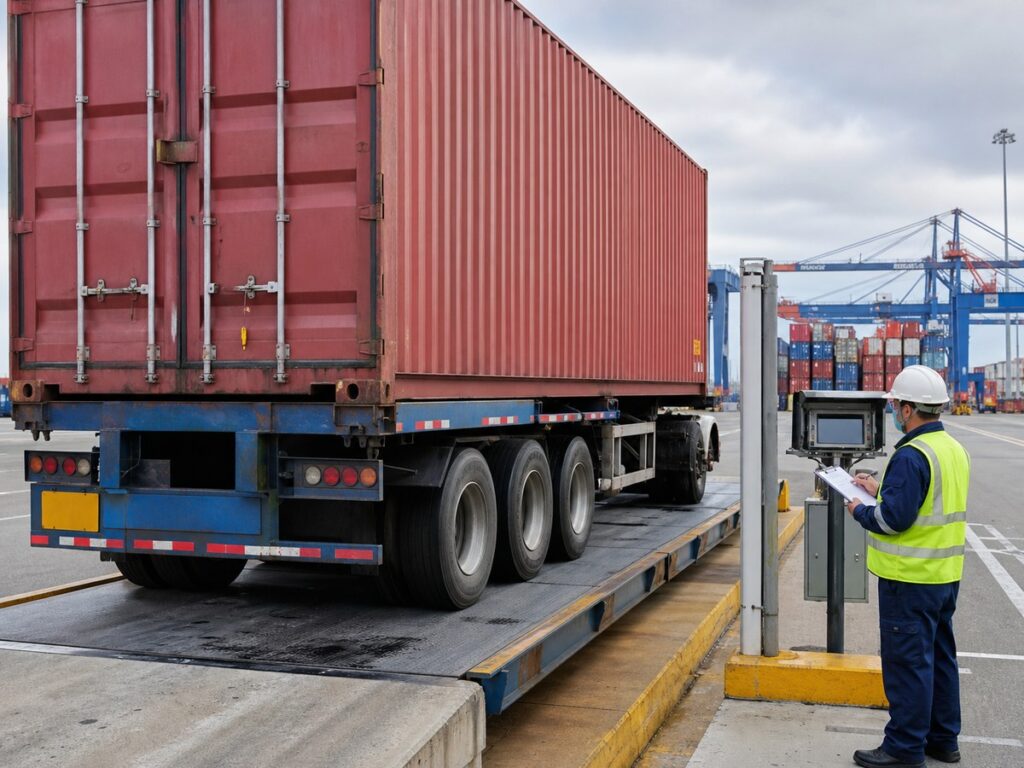
Verified gross mass, or VGM, applies to packed containers when the SOLAS requirement applies. The shipper must provide the verified weight in time for the carrier and terminal to use it in vessel stowage planning.
VGM is separate from the commercial invoice and packing list. Confirm the carrier’s format and cutoff, then make sure the declaration refers to the correct packed container.
Which Documents Depend on the Product, Destination, or Payment Terms?
The core set covers commercial and transport data. Destination, product, and payment conditions may require more evidence, and the importer should confirm those requirements before booking.
Origin, Product, and Regulatory Records
A particular product or market may require a certificate of origin, import permit, product certificate, test report, wood-packaging evidence, or dangerous-goods document. The applicable requirement depends on the goods, destination rules, and claimed trade treatment.
Ask the customs broker to identify the product-specific requirements before cargo leaves China. A document optional for one product may become a requirement for another.
Destination Filings and Entry Documents
Destination filings are separate from the carrier’s bill of lading. For U.S.-bound vessel cargo, the importer or an authorized agent must submit an Importer Security Filing. The deadline is no later than 24 hours before loading, subject to the applicable rule and filing arrangement.
The customs broker should confirm who files each destination record and what data each filing needs. A carrier’s AMS filing does not replace an importer’s filing obligation.
Insurance and Bank Documents
When cargo insurance covers a shipment, the parties may need an insurance certificate. Letter of credit and documentary collection transactions can also require specific wording, originals, and presentation dates.
Share the payment terms with the supplier and forwarder before the issuer prepares the document set. That step reduces the chance that a transport release method conflicts with the bank’s requirements.
Who Prepares Each Sea Freight Document?
The supplier, forwarder, carrier, importer, and customs broker each control different parts of the document trail. Importers should name one owner for every record and one reviewer for the final comparison.
Supplier and Exporter
The supplier or exporter normally provides the commercial invoice, packing list, product description, packing details, and other product evidence. Those details should come from the actual order and packed cargo, not a copied template from an earlier shipment.
Freight Forwarder and Carrier
The freight forwarder coordinates booking and collects shipping instructions. The ocean carrier or the party issuing the transport document prepares the bill of lading based on the confirmed shipment data.
Confirm whether the shipment uses a carrier bill, a house bill, or both. The release instructions must match the issuer’s process and the buyer’s payment arrangement. If a document term is unclear, check the freight glossary before approving the instructions.
Importer and Customs Broker
The importer should confirm destination requirements, the importer-of-record details, and the party responsible for each filing. The customs broker can prepare the entry work, but the broker needs accurate commercial and product information from the importer and supplier.
Send a clear document responsibility list to all parties before the carrier cutoff. It should show who prepares, checks, approves, files, and receives each record.
How Should Importers Check Documents Before Cargo Departure?
Importers should compare the full document set before the carrier cutoff, when corrections are usually easier to coordinate. Use the same approved product description and party details across every file.
Matching Commercial and Transport Data
Compare the commercial invoice, packing list, shipping instructions, and draft bill of lading side by side. Check the seller, buyer, consignee, notify party, product description, package count, weight, volume, port, and Incoterm.

Use a specific product description rather than a vague label. The description must be accurate enough for the parties preparing transport and customs records to identify the goods.
Confirming Release and Filing Responsibilities
Confirm who issues the bill of lading, who approves the release method, and who files destination data. For a shipment bound for the United States, confirm the Importer Security Filing plan before the ocean cutoff.
A China freight forwarder can coordinate the China-side document handoff, but the importer should still confirm the destination broker’s requirements. A forwarder cannot determine an unshared product rule or payment condition.
Keeping the Final Document Set
Save the final invoice, packing list, bill of lading, release confirmation, and any required certificates in one shipment file. Keep the version that was actually used for the carrier and customs process.
That record helps the importer answer questions after sailing and compare later shipments against the original order. For a new booking, provide the same details when requesting sea freight from China.
Frequently Asked Questions
When Should I Send Sea Freight Documents to My Customs Broker?
Send the commercial and product details early enough for the broker to check the destination requirements and filing deadlines before loading. U.S.-bound ocean cargo has pre-loading filing requirements, so waiting for the final bill of lading can be too late.
Can a Telex Release Replace an Original Bill of Lading?
A telex release can replace an original bill of lading only when the issuer confirms the release procedure and the required surrender steps are complete. Confirm the release method before the supplier, bank, and forwarder finalize their document instructions.
Does Every Packed Container Need Verified Gross Mass?
A packed container subject to the SOLAS VGM requirement needs verified gross mass before loading. The shipper should confirm the carrier’s cutoff and submission method for the specific booking.