

A customs power of attorney (POA) authorizes a customs broker to act on an importer’s behalf. Before signing, confirm the importer’s identity, the signer’s authority, the appointed broker, and the powers being granted. The POA gives the broker permission to act, but it does not transfer the importer’s customs responsibilities.
This article explains how to review the authorization, distinguish it from brokerage terms, and prepare the information a broker needs before handling the first U.S. customs entry.
What Is a Customs Power of Attorney?
A customs power of attorney is a written authorization that allows an agent to conduct specified customs business for the person or company granting it. In an importer–broker relationship, the importer grants the authority, and the broker acts within the stated scope.
The authorization may cover a single transaction or a broader range of customs business. When reviewing international shipping routes, importers should keep the customs POA separate from shipment entry documents and the customs bond. Signing a POA does not establish that the goods qualify for entry.
What Should You Check Before Signing a Customs POA?
Confirm that the document identifies the correct parties, carries an authorized signature, and grants only powers that you understand and intend to provide. Review the entire signing package, including any service terms attached to or incorporated into the POA.
Importer Details and Signer Authority
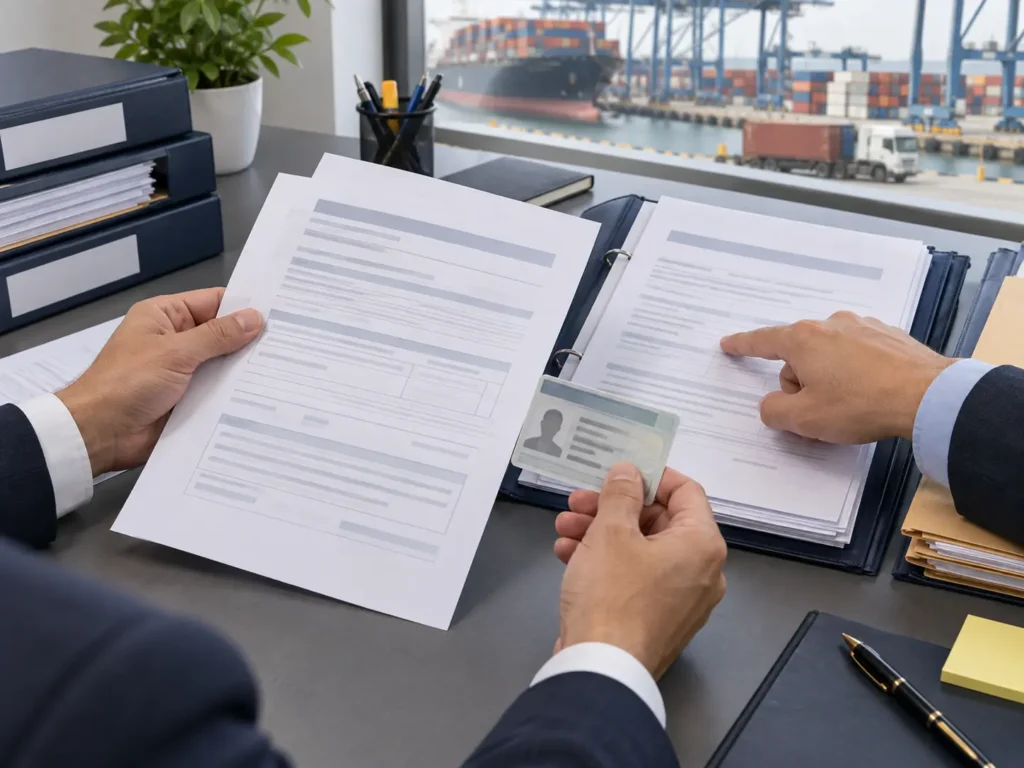
For companies arranging shipping from China to the USA, compare the legal name, business address, entity type, and importer identification number in the signing package with the details of the intended importer of record. Resolve any discrepancy before signing, especially when the company trades under a name different from the legal entity importing the goods.
Confirm that the signer has authority to bind the entity. A person who coordinates shipping may not have authority to grant legal powers on the company’s behalf.
Ask the broker which supporting documents are required for your entity type, such as an organizational document or corporate resolution. For partnerships, review the partner-identification requirements in 19 CFR 141.39. A limited partnership must also provide a copy of its partnership agreement. Send all required documents through the broker’s verified channel.
Broker Identity and Direct POA Execution
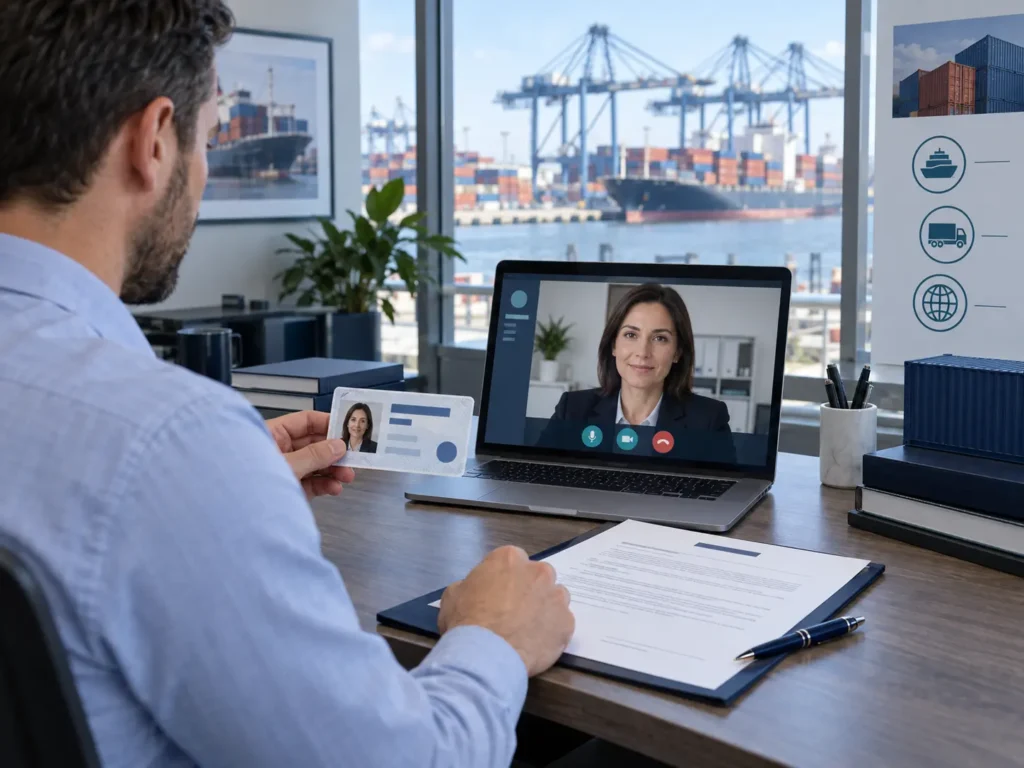
Confirm the appointed broker’s legal name and license details using information published by U.S. Customs and Border Protection (CBP). You can also contact CBP through details obtained from its official website. Compare this information with the entity named in the POA and resolve any mismatch before signing.
If a freight forwarder introduces the broker, contact the broker directly before executing the document.Under 19 CFR 111.36(c)(3), the broker must execute the POA directly with the importer of record or drawback claimant. A third party may assist with translation, advice, or document delivery, but it cannot sign or negotiate in the client’s place.
Customs documentation support can help coordinate shipping records and the handover to a broker. This coordination should keep both the appointed broker’s identity and the direct authorization process clear.
Scope and Duration of Authority
Determine whether the POA covers one transaction or broader customs business. Also check whether it limits the ports where the broker may act.Ask the broker to identify the clauses that cover entry filings and any additional activities, such as export documentation or refund handling. Confirm which activities you intend to authorize. If the wording extends beyond the intended assignment, request clarification or a revised scope before signing.
Partnership POAs cannot exceed two years; other POAs may be unlimited. Check the document’s actual expiration terms. To revoke a POA, 19 CFR 141.35 requires written notice that CBP has received. Notify the broker as well and retain evidence of delivery.
Brokerage Terms and Payment Instructions
Read the service agreement separately from the grant of authority, even if both appear in the same signing package. Check the following terms:
- Fees and advances: Entry charges, additional service fees, and charges for advancing duties.
- Liability provisions: Limits on the broker’s contractual liability and any indemnity obligations.
- Claim procedures: Notice deadlines and the process for disputing charges or service errors.
- Payment arrangements: The recipient of the funds, the payment deadline, and the evidence provided for customs payments.
Verify new or revised bank instructions through an established contact method. An emailed payment request is not verified simply because it includes a familiar shipment reference.

What Responsibilities Remain With the Importer?
The importer remains responsible for exercising reasonable care over entry information, paying duties, and retaining required records. Working with a broker therefore requires an internal process for supplying information, reviewing filings, and correcting errors.
Entry Accuracy and Reasonable Care
To exercise reasonable care, the importer must provide accurate information that supports classification, valuation, and other entry requirements. The broker needs the underlying product and transaction facts, not only the supplier’s proposed tariff code or invoice description.
Provide product specifications, materials, intended use, manufacturing origin, and transaction details for review. Identify uncertainties before filing, including payments or arrangements that may affect the customs value.
Assign a company representative to compare the entry information with these records. If the review finds a discrepancy, send the supporting evidence to the broker and ask which correction procedure applies. Retain the explanation and the resulting action in the shipment file.
Duty Payment and Recordkeeping
Paying the broker does not discharge the importer’s liability if the broker fails to pay CBP. Agree in advance on how the broker will provide evidence of customs payment, and reconcile that evidence with the entry and brokerage invoice.The general customs record-retention period is five years from entry, or from the activity requiring the record where applicable. Because specific exceptions exist, separate the general entry file from records governed by another retention rule under 19 CFR 163.4.
Keep entry summaries, invoices, classification and valuation support, payment evidence, and relevant correspondence accessible. Arrange continued access before changing brokers or closing an account. If all records remain only in the broker’s customer portal, retrieving them depends on access that the importer does not control.
What Should You Confirm Before the First Customs Entry?
Before the first entry, confirm that the broker has accepted the authorization and received the shipment information, payment arrangements, and instructions needed to proceed. Completing the signature process alone does not mean the entry file is ready.
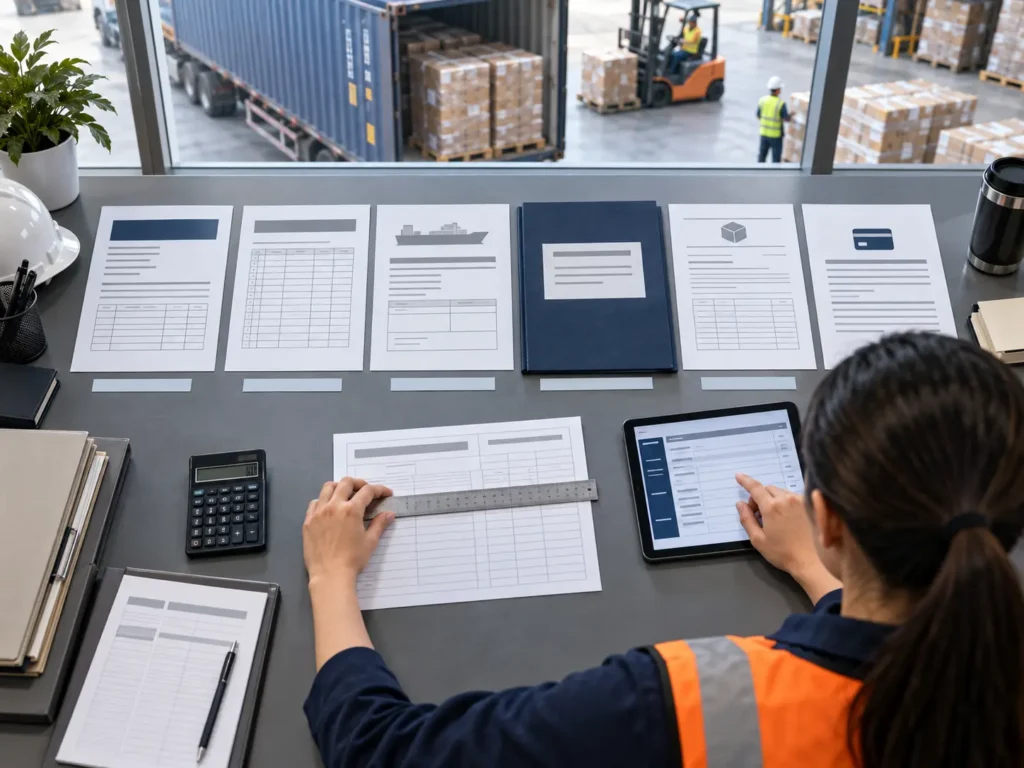
For ocean shipments, reconcile the sea freight documents before sending them to the broker, particularly the commercial invoice, packing list, and bill of lading.
| Final Check | What to Confirm |
| POA acceptance | The broker confirms receipt and acceptance, with no outstanding authority documents. |
| Importer identity | The legal entity and importer number match the intended importer of record. |
| Shipment assignment | One named broker has instructions to handle the entry. |
| Commercial documents | The invoice, packing list, and transport references describe the same shipment. |
| Entry information | Classification, origin, value, and quantities have supporting information. |
| Product requirements | The broker has identified any required permits, certificates, or agency data. |
| Customs bond | Any required bond covers the correct importer and transaction. |
| Payment method | The parties have agreed on funding responsibility, payment timing, and payment evidence. |
| Review and records | A company contact will review the filings and receive the completed entry records. |
Frequently Asked Questions
Is CBP Form 5291 Required for Every Customs POA?
No. A broker may use another customs power of attorney form that satisfies 19 CFR 141.32. A limited authorization must state its terms explicitly and be executed in the required manner.
Does a Customs POA Need to Be Notarized?
Not in every case. Applicable law and the broker’s validation requirements determine whether notarization is necessary. Before arranging it, ask the broker to explain the basis for the request.
Can a Customs POA Be Signed Electronically?
Yes, if the electronic execution creates a valid POA under applicable state law. CBP does not prohibit electronic signatures, but the broker must be able to produce the valid authorization when requested.
Does My Customs Broker Need to File the POA with CBP?
No. Under 19 CFR 141.46, the broker retains the valid POA in its records and makes it available for government examination.
Can I Authorize More Than One Customs Broker?
Yes. Execute a valid authorization directly with each broker and assign shipments clearly. Provide written instructions that identify which broker will file each entry so that two brokers do not submit the same filing.