
Two full-container-load (FCL) quotes with the same base ocean rate can end with different totals because of how each one handles the bunker adjustment factor (BAF), the ocean freight surcharge carriers use to recover changes in marine fuel cost. Before booking, check whether the fuel charge is included, which container rate applies, and which date or event sets that rate.
What Is the Bunker Adjustment Factor in Shipping?
The bunker adjustment factor lets an ocean carrier pass changes in fuel cost into its freight charges, with “bunker” meaning the fuel ships burn. The amount follows the carrier’s own fuel-pricing method, so the abbreviation alone says nothing about what you will pay. For FCL and LCL sea freight, the fuel charge sits inside the ocean transport scope, while supplier pickup, warehouse handling, and destination delivery need their own scope confirmation.
BAF is also not a universal invoice label. Hapag-Lloyd’s fuel charge is called Marine Fuel Recovery (MFR), and since July 1, 2024, Maersk has quoted a Fossil Fuel Fee (FFF) on new contracts with more than three months’ validity, phasing out BAF and the Low Sulphur Surcharge on those contracts. Ask which fuel-charge provision applies to your booking rather than looking only for “BAF” on the quote.
How Is BAF Calculated for an FCL Shipment?
The carrier sets the BAF level from fuel prices and trade factors, and your shipment charge comes from applying that published rate to your containers.
Carrier Fuel Prices and Trade Factors
Each carrier sets fuel-charge levels under its own method, which can combine an average marine-fuel price with a trade factor for fuel consumption on the route, then publishes the result by trade and equipment type. Maersk’s BAF tariffs effective January 1, 2026, for example, used Platts’ index for 0.5% sulfur fuel oil (VLSFO), averaged over August 26 to November 25, and listed separate amounts for 20ft, 40ft, high-cube, and reefer containers.
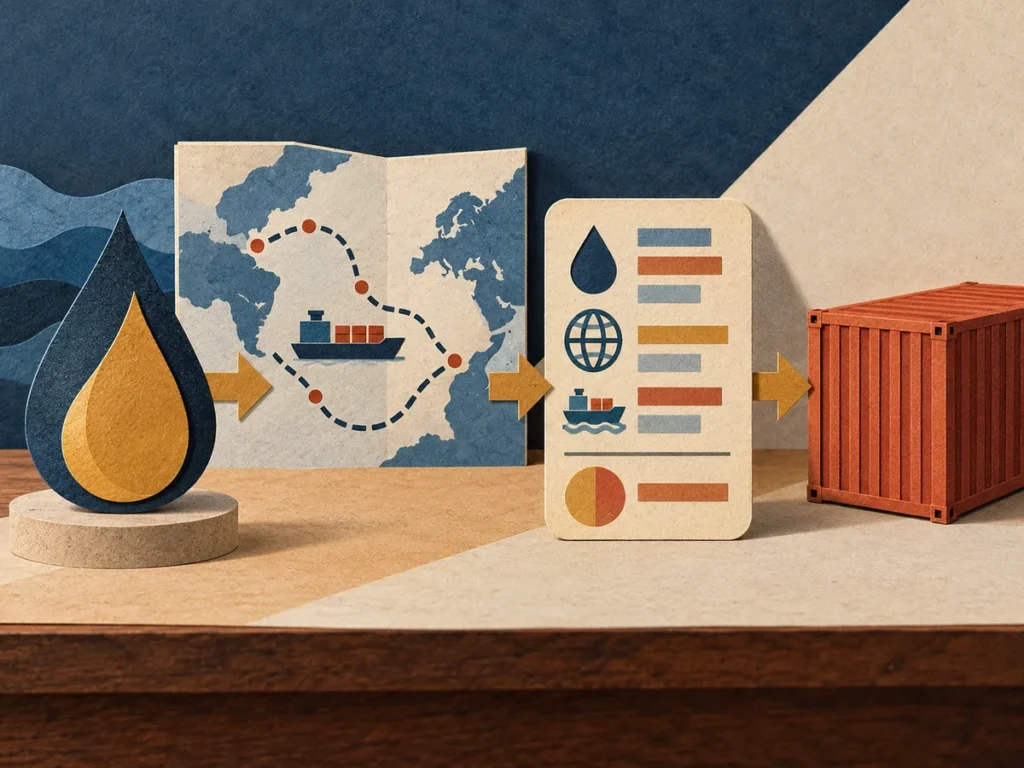
A fuel benchmark quoted in dollars per metric ton is an input to that calculation, not the amount payable for a container. Use the applicable container tariff or the confirmed fuel-charge line in your quote, and treat past tariff tables as background rather than a price for cargo moving today.
Applying the Rate to Your Containers
When a quote states the fuel charge per container, multiply it by the number of containers. At R dollars per 40ft high-cube (40HQ) container, two 40HQ containers carry 2 × R in fuel charges, and a mixed booking needs each equipment type calculated separately before the results are added.
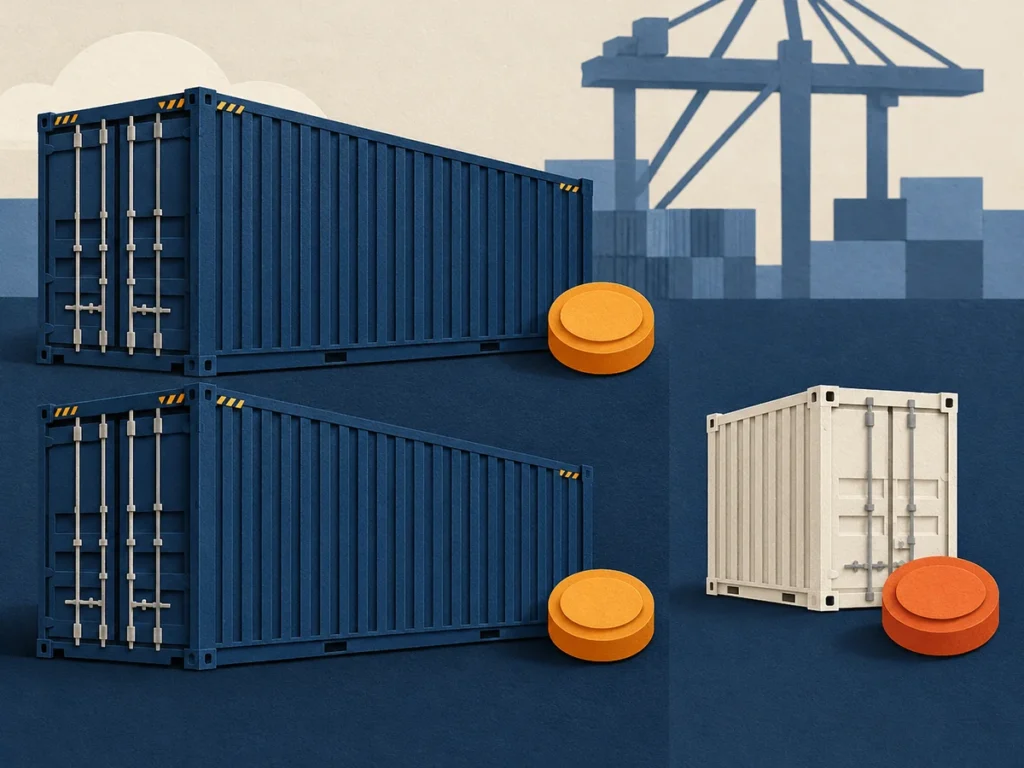
Read the charging unit first, because a rate per container differs from a rate per TEU (twenty-foot equivalent unit), and take the 40ft amount from its own tariff entry instead of doubling the 20ft figure. If fuel is already inside the quoted ocean price, adding it again will overstate the comparison.
How Does BAF Change the Quote You Compare?
BAF changes a quote comparison in two places: whether the fuel charge is included, and which dates decide its level.
Included and Separately Listed Fuel Charges
Confirm whether each quote lists the fuel charge as its own line or folds it into the stated price, then compare the full freight forwarder cost for the same origin, destination, equipment, and service scope. Add a separately listed fuel item to the base ocean rate, and for an inclusive quote, confirm that the total already covers the applicable fuel charge.
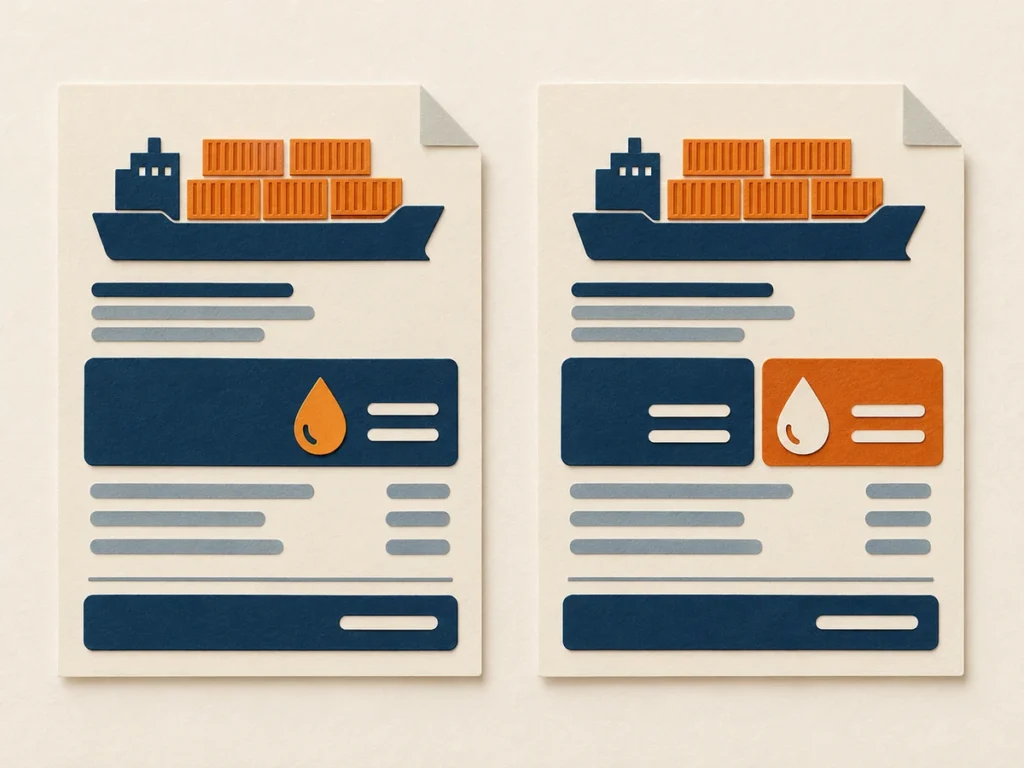
An “all-in” label still needs an inclusion list, since it may cover ocean transport without supplier collection, destination handling, or final delivery. Two fuel-related names on one quote do not prove duplicate billing either, so ask for each item’s full description, transport leg, and charging basis.
Quote Validity and Applicable Sailing Dates
A quote’s validity window and the fuel charge’s effective-date rule can point to different events. Ask which event sets the fuel charge for your booking, such as the sailing date or another stated shipment milestone, instead of assuming that the date you received the quote fixes every charge through delivery.

If a supplier delay moves the cargo outside the quoted period, have the booking party confirm the revised total and any changed fuel terms before you accept the new sailing, and keep that confirmation with the quote. A move in today’s oil price does not by itself change the BAF on your container, because the carrier’s published method and review period decide when a fuel-price change reaches the charge.
What Should You Check Before Accepting an FCL Quote?
Confirm the fuel-charge terms in writing, reading the quote, its inclusion notes, and the carrier terms together.
| Quote Item | What to Confirm |
|---|---|
| Route and service | The origin, destination, and transport legs covered by the quoted total |
| Equipment | The exact container type, including dry, high-cube, or reefer where relevant |
| Fuel-charge description | The full fee name and the provision that applies to the booking |
| Charging unit | Per container, per TEU, or another stated basis, with currency and quantity |
| Inclusion status | Whether the fuel item is included in the ocean rate or added separately |
| Applicable dates | The validity period and the event that sets the surcharge level |
| Change conditions | What triggers a revised quote if the cargo-ready date or sailing changes |
When the invoice arrives, compare its fuel line with the accepted quote and any approved changes. A freight audit should trace any difference to a changed rate, quantity, unit, or agreed condition, and an unexplained adjustment needs its calculation and supporting terms before you accept it.
Getting an FCL Quote From China With BAF Terms Stated
A useful FCL quote states the fuel-charge terms alongside the full shipment scope.
FCL Freight and Delivery Coordination
Foresmart arranges FCL sea freight and supports door-to-door plans for freight forwarding from China, including supplier pickup, customs-document support, and final delivery within the agreed scope. Send the origin and destination, container type and quantity, cargo-ready date, and any final delivery address, and ask for the fuel-charge inclusion and applicable dates in the same quote, so you compare one defined service.
Multi-Supplier Collection Before Loading
When orders come from several Chinese factories, Foresmart coordinates collection and consolidation at warehouse locations across 10 Chinese cities, with repacking and palletizing as agreed, before the combined cargo is released for loading. Add supplier cities and ready dates to the request so collection, preparation, and the FCL move are quoted together.
In one consolidation case study, the team collected goods from several Chinese suppliers for a Canadian care-facility operator and shipped them in one full container to Canada. The case shows supplier and container coordination, not a lower BAF rate.
Frequently Asked Questions
What Is the Difference Between BAF and CAF?
BAF covers marine fuel costs, while the currency adjustment factor (CAF) covers exchange-rate movements. A quote that includes fuel may still list a currency adjustment separately, so check each charge’s stated basis.
Is BAF the Same as an Emergency Bunker Surcharge?
No. An emergency bunker surcharge responds to exceptional fuel-cost or supply conditions outside the carrier’s regular fuel-recovery mechanism, and its scope, start date, and withdrawal follow the carrier’s notice. Read that notice before assuming it replaces or duplicates a regular fuel charge.
Does Ocean BAF Include Inland Fuel Charges?
Not necessarily. Inland transport can carry its own fuel charges even when the ocean quote includes a fuel fee, so for door-to-door shipping, ask which transport leg each fuel item covers and whether the quoted total includes it.