
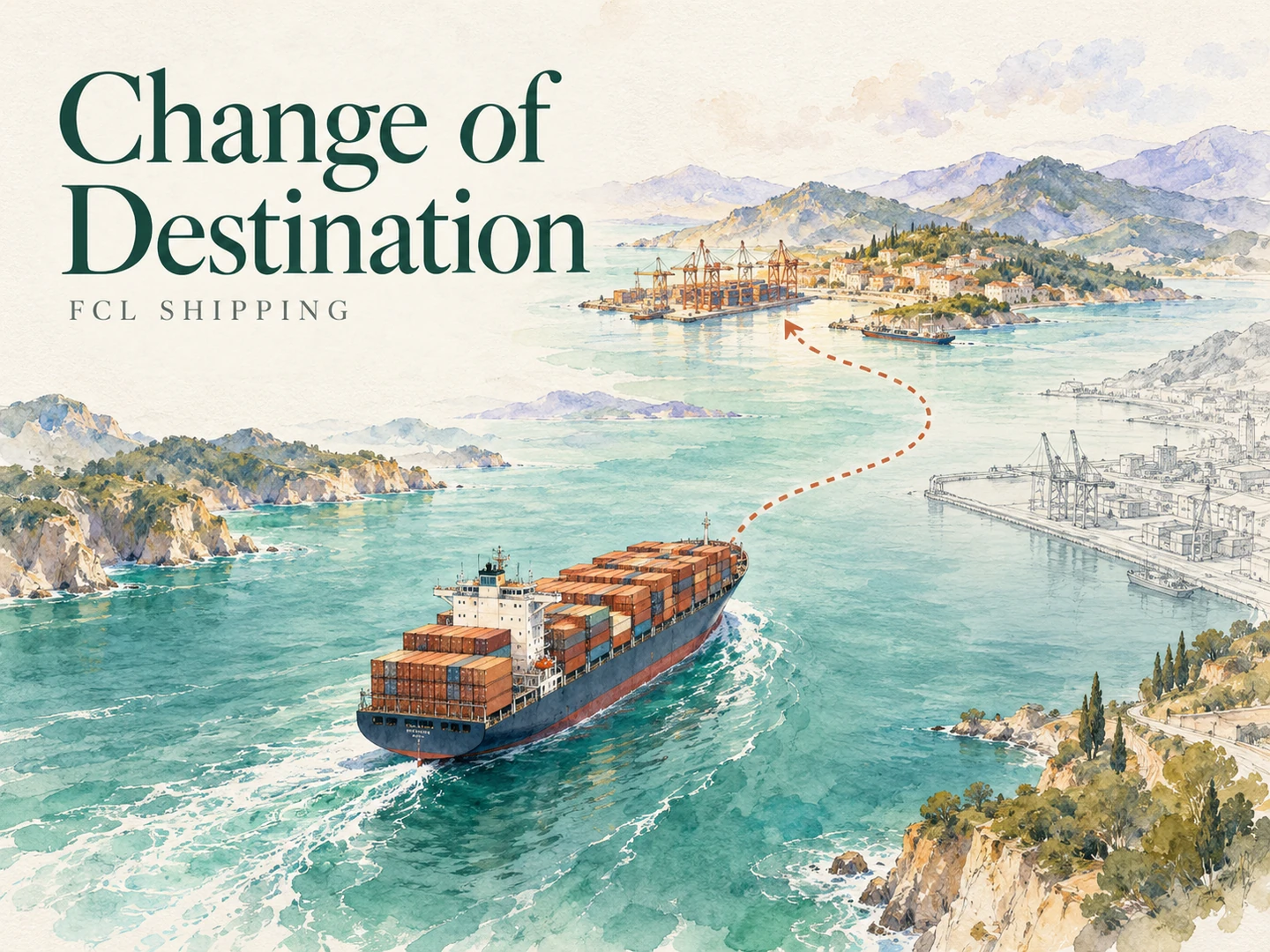
Yes, you can request a change of destination for a full-container-load (FCL) shipment, even after the vessel sails, but the change takes effect only after the carrier accepts the new transport plan as workable. Expect freight charges, transport documents, and delivery arrangements to be reviewed. Tell the party managing your booking as soon as the destination changes, give them the container’s current status and the exact new port or delivery address, and wait for written confirmation before arranging transport against the revised plan.
What Does a Change of Destination Mean in FCL Shipping?
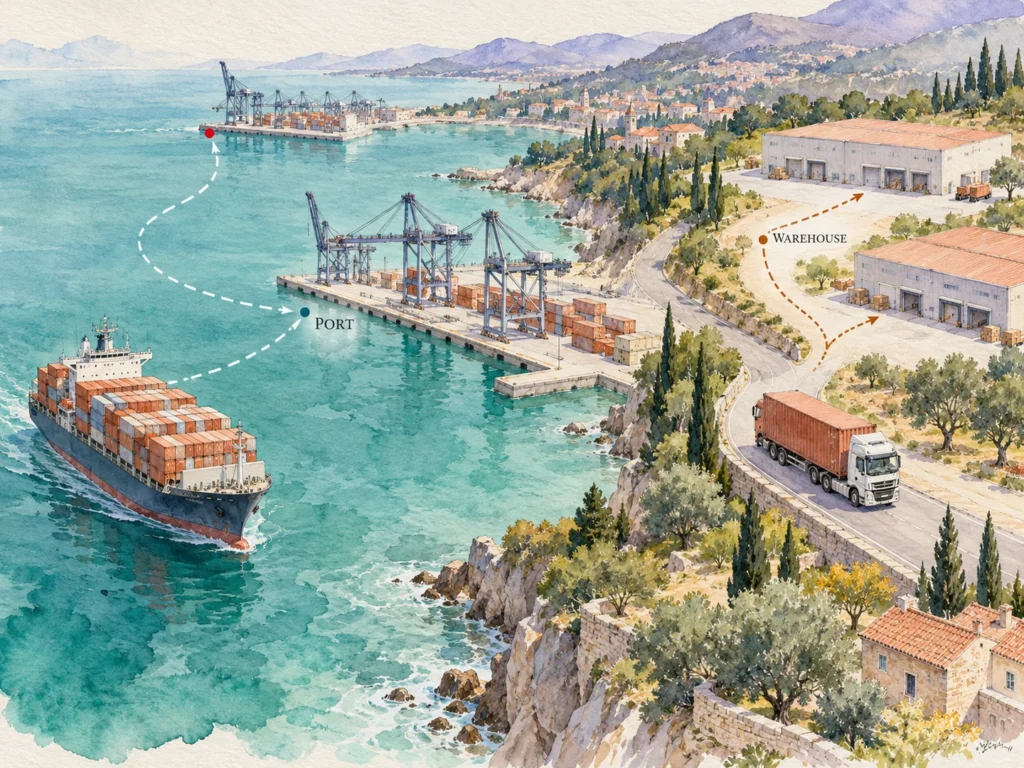
A change of destination (COD) changes where the carrier is instructed to discharge or deliver the container. A new discharge port, such as Vancouver instead of Los Angeles, changes the ocean destination, while a new contracted place of delivery changes where the carrier’s transport service ends.
A new warehouse address may leave the ocean booking unchanged when your trucking is arranged separately. Name both the new port and the final address in your request, and ask whether the carrier booking is affected or only the delivery provider needs new instructions.
When Can You Change an FCL Shipment’s Destination?
Request the change as soon as you know, then confirm where the container is and how it is being handled. Once the carrier has received the container, a formal COD review can apply even before the vessel departs.
| Container Status | What to Confirm Before Acting |
|---|---|
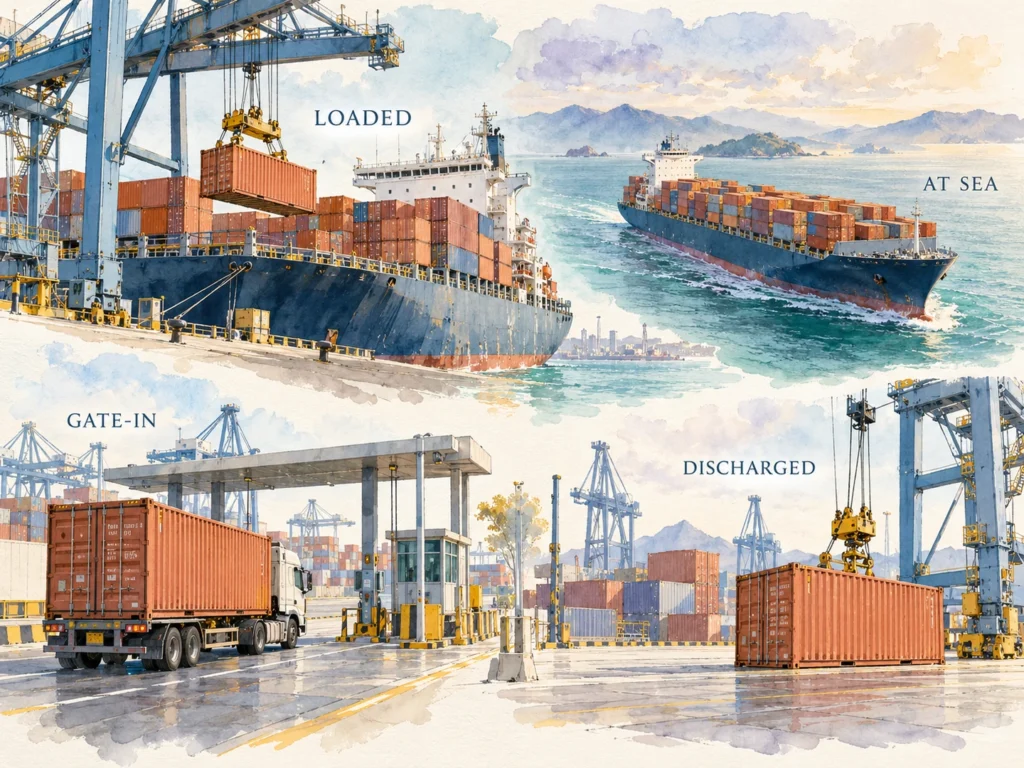
| Before terminal gate-in | How the new destination affects the booking, rate, equipment plan, and cargo handover instructions |
| Inside the terminal, not yet loaded | The formal amendment or COD process, and whether terminal instructions must change |
| Loaded or moving through a transshipment port | Carrier confirmation of operational feasibility, destination acceptance, and the revised routing |
| Discharged at the original destination | Release and customs status first, then whether onward transport needs a new movement |
Use container tracking to find the last reported event, then have the booking party verify the status, since a tracking screen does not show whether a destination change has been accepted. If the container is close to its next handling event, ask when a decision is due. The window depends on the actual booking and operation, so do not plan around a universal “24 hours before arrival” rule.
How Do You Request a Change of Destination?
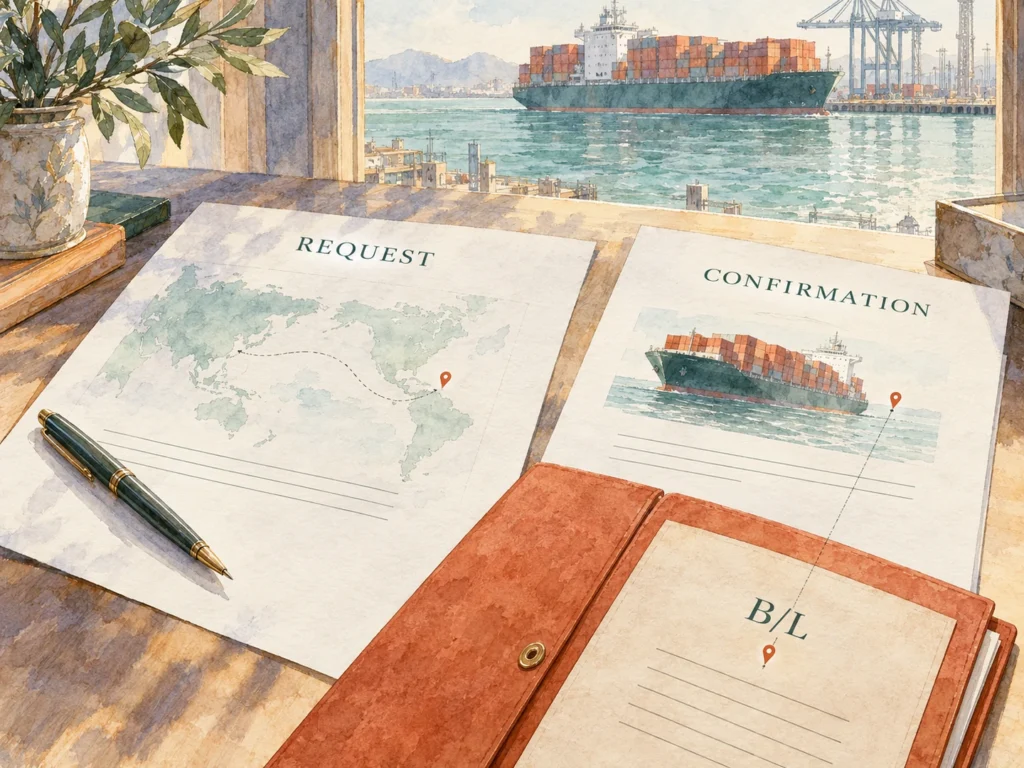
Send a written request to whoever controls the booking, and treat the new destination as pending until that party confirms it.
Submit the Request Through the Booking Party
Start with the forwarder or carrier that manages the existing booking, which can tell you the submission channel and the authorization required. If your supplier or another provider booked the freight, bring in that booking contact right away. Appointing a new forwarder does not by itself transfer control of the booking.
Include these details in the request:
- Booking or bill of lading number
- Container numbers affected by the change
- Original discharge port and contracted place of delivery
- Requested new port and complete delivery address
- Current container status and planned vessel or voyage
- Reason for the change and required receipt date
- Contact authorized to approve additional charges
Attach the transport document and any supporting records the booking party asks for, and say whether you want a feasibility inquiry or are ready to authorize a quoted change. Hapag-Lloyd’s COD inquiry process for QSC Atlanta, for example, separates an inquiry from execution and requires written authorization and acceptance of charges.
Confirm the New Transport and Document Instructions
Ask for an updated booking confirmation or other written transport instructions showing the approved destination and the next action. Changing the destination field in your shipping instructions alone may leave the original routing in place, and Hapag-Lloyd’s published COD procedure, for example, requires a separate request and an updated booking confirmation with the new discharge port. A switch bill of lading does not redirect the container either, so confirm the actual movement with the carrier before asking for documents that show a new discharge port.
Then compare the bill of lading with the approved plan. Ask the issuer which fields need amendment and how it will handle documents already issued, and coordinate both issuers when house and master bills are involved.
What Will the Change Cost, and Is It Worth It?
A destination change is worth approving when the total revised cost and the new arrival timing both fit your receiving plan.
Freight and Operational Charges
Compare the full revised shipment cost, including any freight repricing and operational charges that come with the COD fee. Maersk’s Spot terms, for example, treat destination changes before and after gate-in differently for amendment fees. Ask the booking party which of these apply:
- Revised ocean freight and applicable surcharges
- COD or booking amendment fees
- Additional handling, storage, or equipment charges
- Transport-document and filing amendments
- Revised inland transport and delivery costs
Set the new quote against charges already paid or committed under the original booking, and ask which amounts remain payable, which will be credited, and which still need confirmation. Include the destination charges at the new location so the comparison covers arrival and delivery as well as ocean freight. Approve the change only against a written scope, currency, payer, and quote validity.
Delivery Timing and Receiving Arrangements
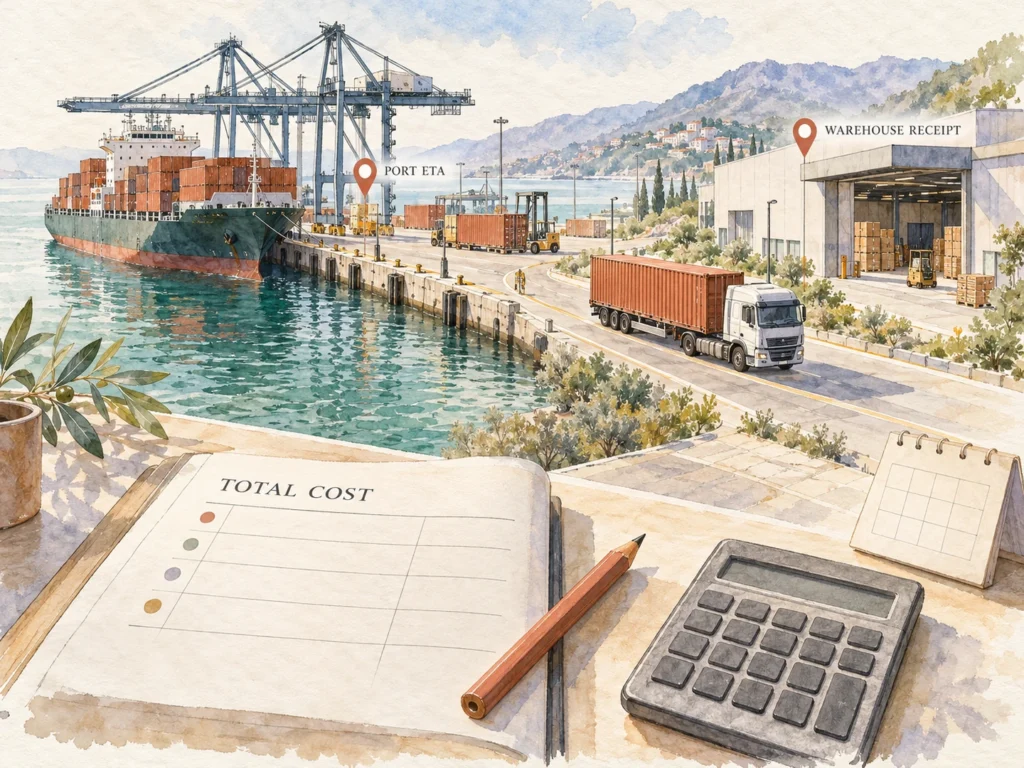
Ask for the revised route and estimated arrival, then plan cargo release, inland transport, and the receiving appointment around them. Keep port arrival and warehouse receipt as separate milestones, and tell the buyer or warehouse which parts are confirmed and which still need approval.
If only the warehouse changes and the original discharge port still works, compare revised trucking with an ocean destination change before choosing. If the destination country changes, involve the customs broker or destination agent before execution so they can identify the import documents, permissions, and filings the cargo needs, and confirm that an importer is ready to receive the goods. Do not send the container toward a new market while those arrangements remain unresolved.
Coordinating an FCL Destination Change From China
Foresmart provides freight forwarding from China with booking coordination, export-document inputs, and milestone updates for FCL shipments. Buyers consolidating orders from several Chinese factories should report a new destination before the cargo is dispatched, so supplier handovers and the booking can be revised together.
For a shipment Foresmart already manages, send the booking reference, current container status, proposed port and final address, and latest acceptable receipt date. When destination handling and delivery form part of the agreed sea freight scope, the team can coordinate the revised plan with the carrier and the origin or destination contacts. Confirm the accepted scope and carrier approval before execution.
Frequently Asked Questions
Can You Change the Destination After an Original Bill of Lading Has Been Issued?
Yes, subject to the carrier’s approval and document-control requirements. Maersk states that an accepted COD can be processed after payment and confirmation that the original bill has been canceled, destroyed, or made void. Ask your issuer how to handle the originals, especially if a bank or buyer holds them.
Can You Change the Destination for Only Part of a Booking?
That depends on the carrier, which may require a separate booking for the containers changing destination. Maersk’s published procedure requires a new booking for that part, with possible costs depending on booking status. Identify the exact containers involved and get instructions before separating any cargo or documents.
Does Cargo Insurance Continue After a Destination Change?
Coverage depends on your policy and its notification requirements, which makes the cargo insurer your first call before executing the change. TT Club’s Forwarders Cargo wording, for example, requires prompt reporting of a voluntary destination change. Give your insurer the new destination and routing, and ask whether revised terms or an additional premium apply.