
Under merchant haulage, you as the importer arrange the trucking leg between the port and your warehouse, either directly or through a freight forwarder or trucking provider. Before you accept a port-to-port quote for a full-container-load (FCL) import, settle who connects collection, warehouse delivery, and empty return, what must be ready before dispatch, and which charges sit outside the quoted price.
Who Arranges the Truck Under Merchant Haulage?
The shipper or consignee books the inland leg separately from the ocean freight. Under carrier haulage, the shipping line arranges the agreed inland move instead. In both cases a subcontracted trucking company may do the driving, so check your booking to see which arrangement you have.
Merchant haulage can apply at origin, destination, or both. For an importer, it means collecting the loaded container at the port and delivering it to the receiving warehouse.
Drayage describes a short container move, while merchant haulage describes who arranges it. Sales terms such as FOB and CIF split costs and risk between buyer and seller, so check the booking, bill of lading, and inland transport agreement for the actual trucking scope.
When Does Merchant Haulage Fit an FCL Import?
Merchant haulage works when you already have a container trucking provider and someone who can coordinate its work with your customs broker and warehouse. Before choosing it, confirm that:
- Your trucking provider serves the relevant terminal and can handle the container type and loaded weight.
- Your warehouse accepts the proposed delivery and unloading arrangement.
- A named coordinator will watch release, appointments, delivery changes, and empty return.
If nobody can fill that coordinator role, ask whether carrier haulage or a forwarder-managed inland service is available for the shipment. Handing off transport still needs a written scope.
When you price FCL shipping, compare quotes on the same scope. A lower trucking rate may leave out waiting time, equipment use, or a separate empty collection, which can make a merchant haulage quote look cheaper than it is.
What Needs to Connect Before Pickup and Delivery?
Name one coordinator to keep the broker, trucking provider, and receiving site working from the same shipment details, with authority to approve extra costs and to chase the right provider when a handoff fails.
Confirming Release and Customs Status
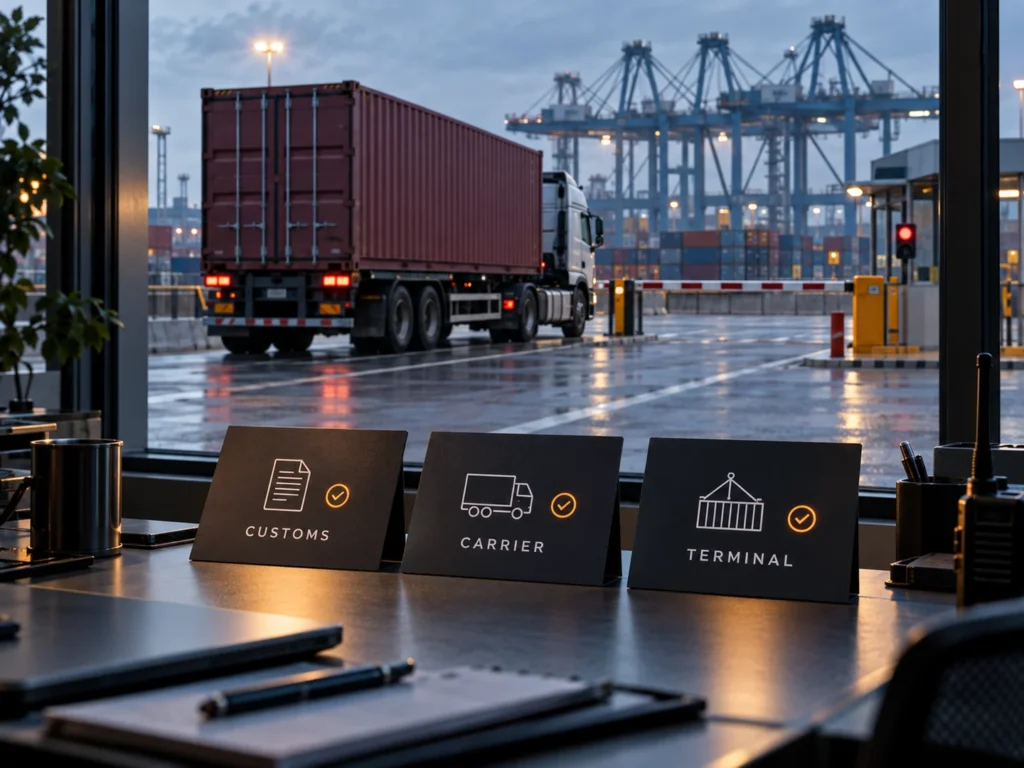
Before you authorize collection, get three confirmations: customs status from your broker, cargo release from the carrier or its destination agent, and terminal availability, including any remaining holds, from the trucking provider. Customs clearance alone doesn’t make the container available for pickup, because the carrier may still need documents or payment and the terminal may show a separate hold.
Give every party matching bill-of-lading and container numbers. Check the required sea freight documents before arrival, then recheck outstanding release conditions before dispatch. An unresolved hold can stop collection and lead to wasted-trip, rebooking, or terminal time charges under the applicable terms.
Booking the Container Pickup
Your trucking provider should confirm the pickup procedure, any terminal appointment, and equipment availability before sending a truck. Share the release reference, container number, size, loaded weight, and destination address, and confirm the last free pickup date and how it’s calculated for this shipment.
Container tracking shows arrival changes. Pickup availability comes from the terminal or the responsible provider, so check with them before the truck goes.
Match the pickup slot to the warehouse booking. If either one changes, agree on who amends the other and whether cancellation or rebooking charges apply.
Matching the Warehouse Receiving Window
The receiving site should confirm its appointment reference, delivery address, opening hours, access restrictions, and on-site contact before the trucking provider commits to a delivery time. The trucking provider then confirms that the timing is workable from that terminal.
Tell the warehouse who will report an arrival delay and who can authorize a revised slot. A missed receiving window may lead to waiting, redelivery, or temporary storage charges under the agreed transport terms.
Agreeing on the Unloading Method
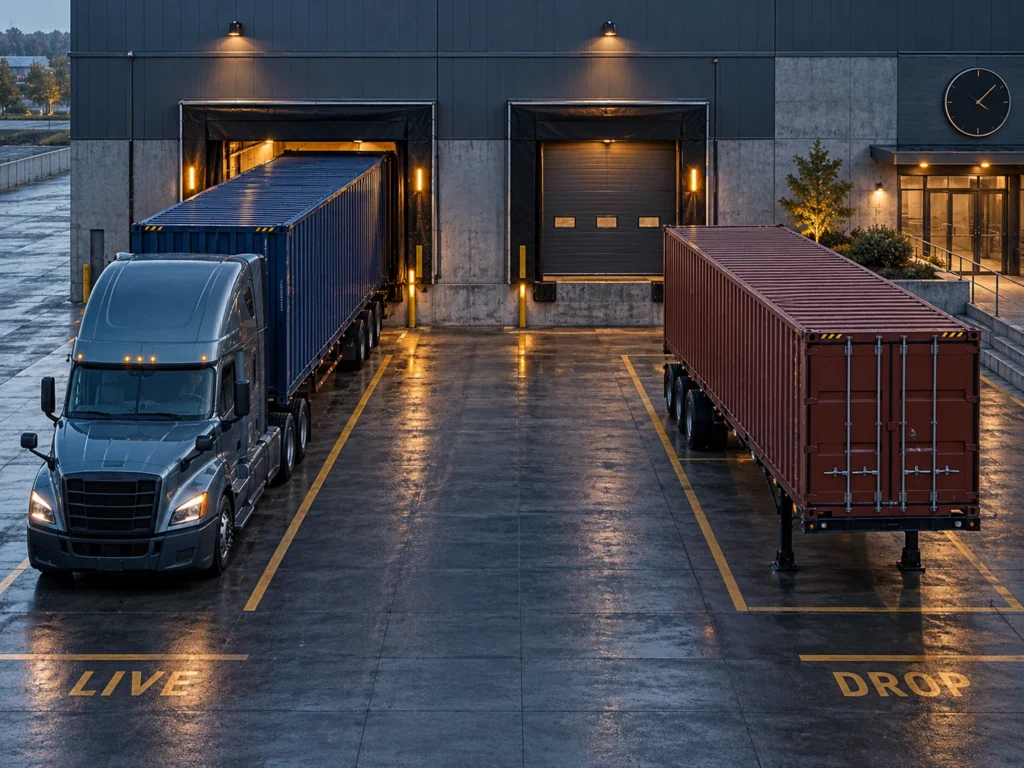
Decide with the warehouse and trucking provider whether the driver waits while the container is unloaded or drops it for later collection. Settle this before booking the truck, since the choice changes equipment use and the return schedule.
For a live unload, confirm who supplies the crew, equipment, and unloading labor, how much waiting time is included, and when extra waiting charges start.
For a drop, agree on the later collection date and any equipment or extra-trip charges, and send the coordinator the expected empty-ready time so the return plan matches.
Planning and Recording the Empty Return
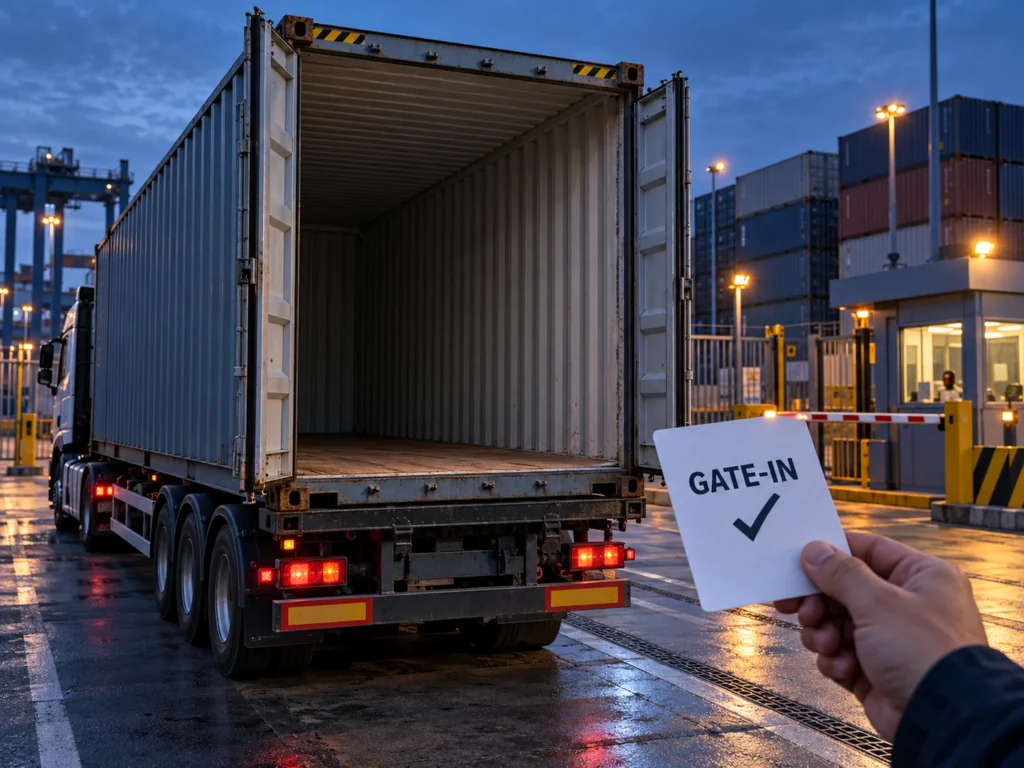
Ask the trucking provider to confirm the carrier’s nominated depot for the empty container return, its acceptance conditions, and any appointment requirement before you finalize the delivery plan. Recheck those instructions before the empty moves, because the carrier may change the return depot.
The coordinator should own the free-time deadline and allow time after unloading for the empty to reach the depot. A late return or a return to an unauthorized location can bring additional charges under the relevant terms.
Get a dated gate-in receipt or equivalent return record from the trucking provider and keep it in the shipment file. If the depot refuses the empty, get updated instructions and record the failed attempt right away.
What Should the Merchant Haulage Quote Include?
Ask for an itemized inland quote showing the pickup point, delivery address, empty-return scope, and exclusions. Check destination charges against the ocean quote too, so anything left out of one quote has a confirmed place in the other.
| Item | Responsibility to Confirm | Scope and Possible Extra Charges |
|---|---|---|
| Release and clearance | Who supplies documents, checks holds, and confirms collection can proceed? | Brokerage, release fees, examinations, and charges outside the transport quote |
| Terminal pickup and inland delivery | Who books collection and dispatches the trucking provider? | Loaded move, fuel, tolls, equipment use, and terminal-related extras |
| Warehouse receipt and unloading | Who books the slot and provides unloading resources? | Included waiting, extra waiting, missed-slot charges, and redelivery |
| Empty collection and return | Who collects the empty, checks return instructions, and keeps the return record? | Return trip, later collection, equipment hire, and alternate-depot charges |
| Delays and changes | Who approves extra work and handles exceptions? | Cancellation, temporary storage, demurrage, detention, and other time-based charges |
Identify who gets billed and who can approve extra costs. For a disputed charge, check the applicable contracts and tariffs, since the haulage label alone doesn’t settle liability.
Combining FCL Shipping From China With Merchant Haulage
As a China freight forwarder, Foresmart handles FCL ocean shipping and can coordinate destination delivery when it’s included in the confirmed scope. For a shipment-specific quote, send the origin and destination, container quantity and type (such as 20ft, 40ft, or 40HQ), cargo description, total weight and ready date, full delivery address and receiving requirements, and any trucking provider or customs broker you’ve already appointed.
If you’d rather have one provider manage the inland leg, ask about door-to-door freight. If you’re keeping your own trucking provider, agree on the release handoff and the coordination contact before booking.