
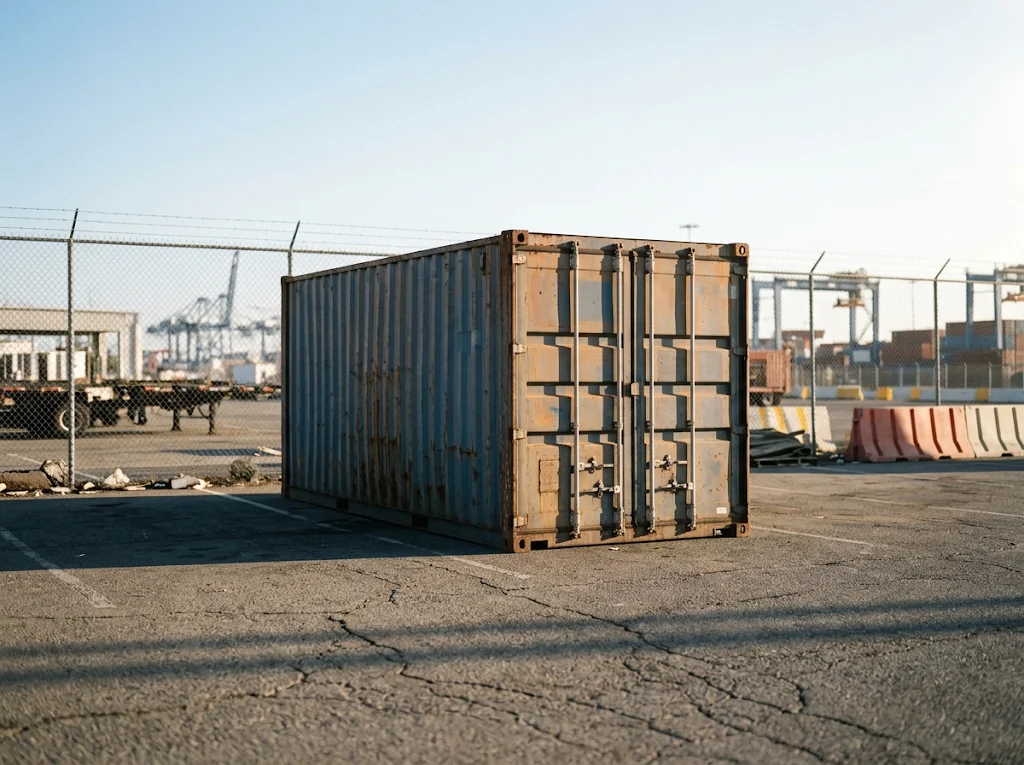
In the U.S., an unentered import moves toward abandonment on a fixed clock: 15 calendar days to file entry, then General Order storage billed to the consignee, then abandonment once six months pass with duties and charges unpaid. Walking away does not end the bills: storage, carrier charges and any sale shortfall stay collectible from the parties named on the bill of lading and the entry. Price the exit options as soon as a customs hold or buyer default appears.
What Causes Cargo Abandonment in Ocean Freight?
Most abandoned containers start as a commercial or customs problem that nobody pays to solve. A buyer becomes insolvent, cancels mid-voyage or refuses freight-collect charges, and once storage and carrier charges approach the cargo’s resale value, nobody answers the arrival notice. On the customs side, mismatched invoices, missing compliance certificates or unclear importer of record details stop the entry, and the clock keeps running while buyer and supplier argue over who funds the fix.
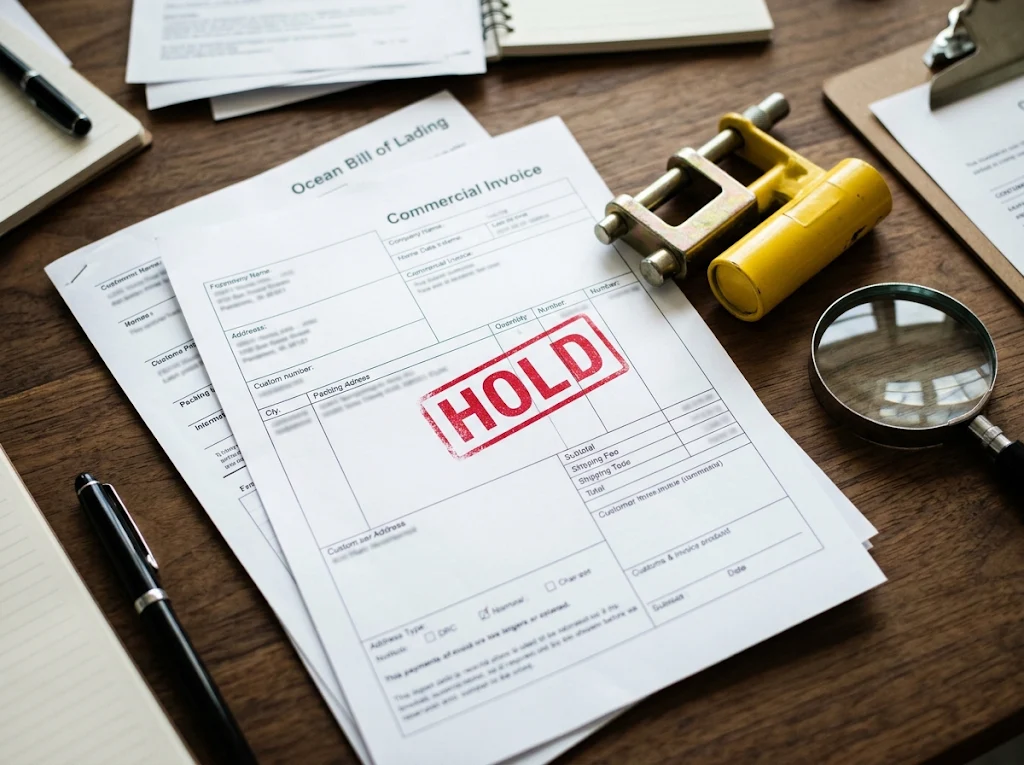
U.S. rules separate two outcomes. Abandonment is involuntary when cargo stays in Customs custody past the legal time limit with charges unpaid, and voluntary when the importer formally gives the goods up to CBP. Crew abandonment of a vessel and consumer container auctions are different subjects.
How Long Before Unentered Cargo Is Abandoned at U.S. Ports?
The timeline below applies to unentered ocean cargo under 19 CFR Part 4 and Part 127. Ports outside the U.S. set their own deadlines.
| Stage | Rule | What Happens |
|---|---|---|
| Through the 15th calendar day after landing | 19 CFR 4.37 | Cargo can stay at the place of unlading while the importer files entry |
| By the 20th calendar day after landing | 19 CFR 4.37 | The carrier notifies CBP and a bonded General Order (G.O.) warehouse of the unentered cargo |
| General Order custody | 19 CFR 4.37 and 127.1 | The G.O. warehouse moves and stores the cargo at the consignee’s risk and expense |
| Six months from importation | 19 CFR 127.11 | Cargo still in custody without duties and charges paid is unclaimed and abandoned |
| After the time limit | 19 CFR 127.14 | CBP can sell the goods or order other disposition, including destruction on CBP Form 3499 for goods with no commercial value |
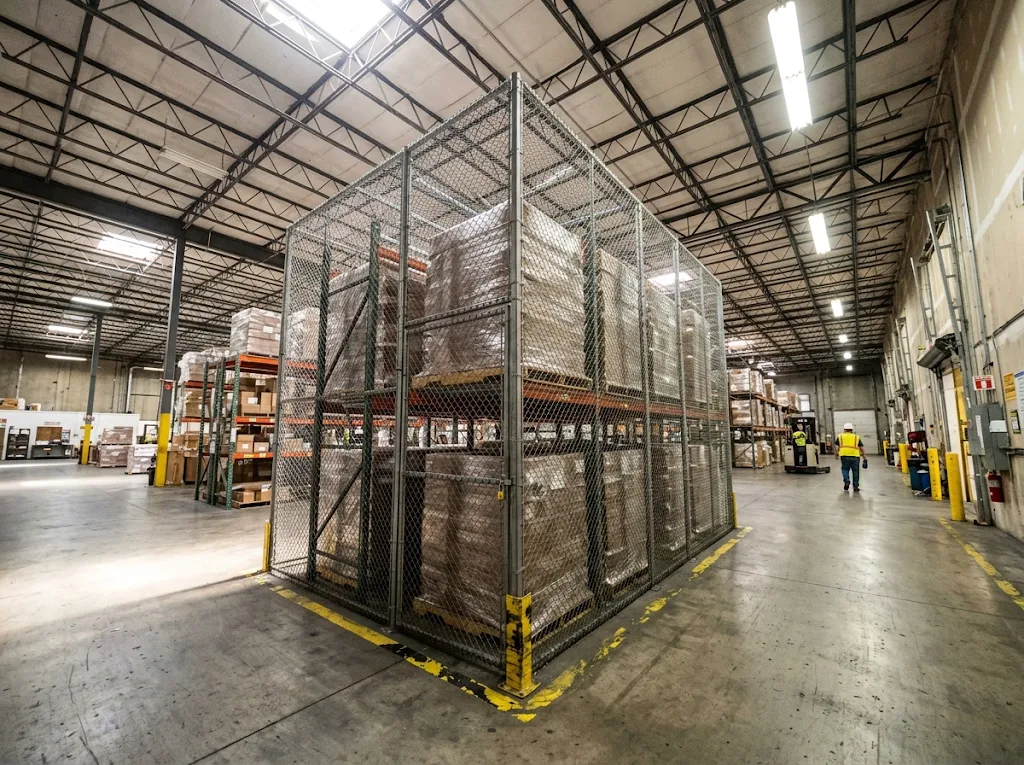
Shorter periods apply to some special merchandise. Perishable goods, for example, can be sold after three days’ public notice under 19 CFR 127.28.
What Costs Accumulate When Cargo Is Abandoned?
Several parties bill the same stranded container, each on its own clock, and none of the charges is capped at the cargo’s invoice value.
| Cost | Who Bills It | When It Starts |
|---|---|---|
| Terminal demurrage | Terminal or carrier | After the last free day at the terminal |
| Container detention | Carrier | While the container is out and not yet returned empty |
| G.O. cartage and storage | G.O. warehouse | From transfer into General Order |
| Destruction or disposal | Warehouse or contractor, at the importer’s or owner’s expense | When goods are unsalable or refused admission |
| Sale shortfall | CBP | When auction proceeds fall short of duties and charges |
The demurrage and detention clocks run separately, so returning the empty container can stop one charge while the cargo keeps accruing storage. Destruction does not end the debt either, because its cost is billed back to the owner.
Who Is Responsible for Abandoned Cargo Costs?
Abandonment creates two kinds of claims at once: private claims under the bill of lading and government collection under customs law. Giving up the goods ends neither.
Shipper and Consignee Under the Bill of Lading
Ocean bills of lading usually make every “Merchant” liable together. Maersk’s terms of carriage, for example, define Merchant to include the shipper, holder, consignee and receiver, and make them jointly and severally liable to the carrier. The same terms let the carrier store uncollected goods at the Merchant’s sole risk and expense, then sell or dispose of unclaimed goods at the Merchant’s expense. Under terms like these, a freight-collect sale between buyer and seller does not by itself protect the shipper: the carrier can bill any Merchant for the unpaid freight, storage and disposal costs.
Importer and Customs Bond
CBP collects sale shortfalls under 19 CFR 127.37. When warehouse merchandise is treated as involuntarily abandoned and the sale proceeds fall short of the duties, the deficiency is collected under the importation bond on CBP Form 301, subject to the bond conditions in 19 CFR 113.62. For unclaimed merchandise, the consignee owes the shortfall unless the goods were shipped without its consent.
Freight Forwarder and NVOCC
A non-vessel operating common carrier (NVOCC) that issues a house bill usually appears as shipper on the carrier’s master bill. That places it within the carrier’s Merchant definition, so the carrier can bill the NVOCC for charges on the master booking. The NVOCC then seeks recovery from its own customer under the terms of its freight forwarding contract.
What Should Importers Do Before Cargo Becomes Abandoned?
Compare the options while the cargo still has value and the deadlines are still open.
| Option | Main Costs | Deadline or Approval | Fits When |
|---|---|---|---|
| Enter and clear the cargo | Duties, exam fees, accrued demurrage | Entry by the 15th day, or a later entry out of General Order | The goods are compliant and worth more than the total balance |
| Change destination or re-export | Carrier change fee, return freight, handling | Carrier approval before release or sale | The buyer defaulted or U.S. entry is blocked |
| Sell to another buyer in port | Bill of lading amendment, new entry, storage | Release of the original bills and a new importer of record | A U.S. buyer can take and clear the goods quickly |
| Abandon for a duty allowance after entry | Delivery to CBP and any repacking, at the importer’s expense | Written notice and delivery within 30 days of entry; at least 5% of that class’s invoice value (19 CFR 158.42) | Part of an entered shipment is unwanted or damaged |
| Abandon or destroy goods in bond | Disposal cost, warehouse charges, any deposit CBP requires | CBP Form 3499 application approved by CBP, with warehouse proprietor concurrence; abandonment within 3 years, destruction within 5 years of importation (19 CFR 158.43) | The goods are unsalable, restricted or worth less than the storage debt |
Run the recovery math early. When duties, demurrage and drayage already exceed what the goods would sell for in the U.S., a change of destination or an approved destruction stops months of storage charges. Before you negotiate a resale or diversion, confirm with the carrier whether the original bills of lading have been surrendered, since that decides who can redirect or release the cargo.
Preventing Cargo Abandonment on Shipments From China
Most of these problems are cheaper to fix before the container sails. Name the importer of record and customs broker in writing, and make the commercial invoice and packing list match what is actually loaded. Foresmart, which provides freight forwarding from China, receives each supplier’s goods against purchase order references and hands the shipping documents to your appointed U.S. broker. The importer-of-record role stays with your business or the party you appoint.
For consolidated shipping from China or an FCL booking, share your supplier cities, cargo-ready dates, combined weight and volume, Incoterm, U.S. destination ZIP code and broker contact. The minimum shipment size is 100 kg or 1 CBM.
Frequently Asked Questions
Does Cargo Insurance Cover Commercial Abandonment?
Generally, no. Cargo insurance on the Institute Cargo Clauses (A) covers loss of or damage to the goods, but it excludes loss caused by delay (Clause 4.5) and loss attributable to the assured’s wilful misconduct (Clause 4.1). Storage, demurrage and disposal costs after a buyer default or a walk-away are not physical loss or damage to the cargo. Check your policy wording with your insurance broker before relying on it.
Can Carriers Hold Future Shipments for Abandonment Debt?
Yes, if the bill of lading grants a general lien. The Maersk terms quoted above give the carrier a lien on goods for sums the Merchant owes under any other contract, related or not. CBP holds are separate and outside the carrier’s control. If you dispute a carrier or terminal hold, the Federal Maritime Commission’s dispute resolution office can help identify the cause of a hold or lien; requests go in on Form FMC-33.
Are Consignees Liable for Unsolicited Shipments?
Not for a CBP sale shortfall, if the goods were shipped without your consent. Under 19 CFR 127.37, goods are treated as shipped without consent when no entry was filed and no other attempt was made to control them. If an unknown supplier names your business on a bill of lading, refuse in writing straight away and keep that record, since the carrier may still invoice everyone listed on that bill.
Source
- 19 CFR 4.37, General order, Legal Information Institute (Cornell Law School): the 15-day entry window, 20-day carrier notice and General Order transfer at the consignee’s risk and expense.
- 19 CFR Part 127, General Order, Unclaimed, and Abandoned Merchandise, Electronic Code of Federal Regulations: General Order custody, the six-month unclaimed rule, perishable goods, voluntary and involuntary abandonment, and disposition on CBP Form 3499.
- 19 CFR 127.37, Insufficient proceeds, Legal Information Institute (Cornell Law School): bond and consignee liability for sale shortfalls and the no-consent rule.
- 19 CFR 113.62, Basic importation and entry bond conditions, Electronic Code of Federal Regulations: bond conditions referenced for warehouse merchandise.
- 19 CFR Part 158, Subpart D, Electronic Code of Federal Regulations: abandonment within 30 days of entry and abandonment or destruction of goods in bond.
- Terms for Carriage, A.P. Moller – Maersk: the Merchant definition, joint and several liability, general lien, and storage and disposal of uncollected goods.
- Institute Cargo Clauses (A), 1/1/2009, TT Club: risks covered and the delay and wilful misconduct exclusions.
- Cargo Shipment Assistance, Federal Maritime Commission: help with cargo holds and liens and the Form FMC-33 request.