
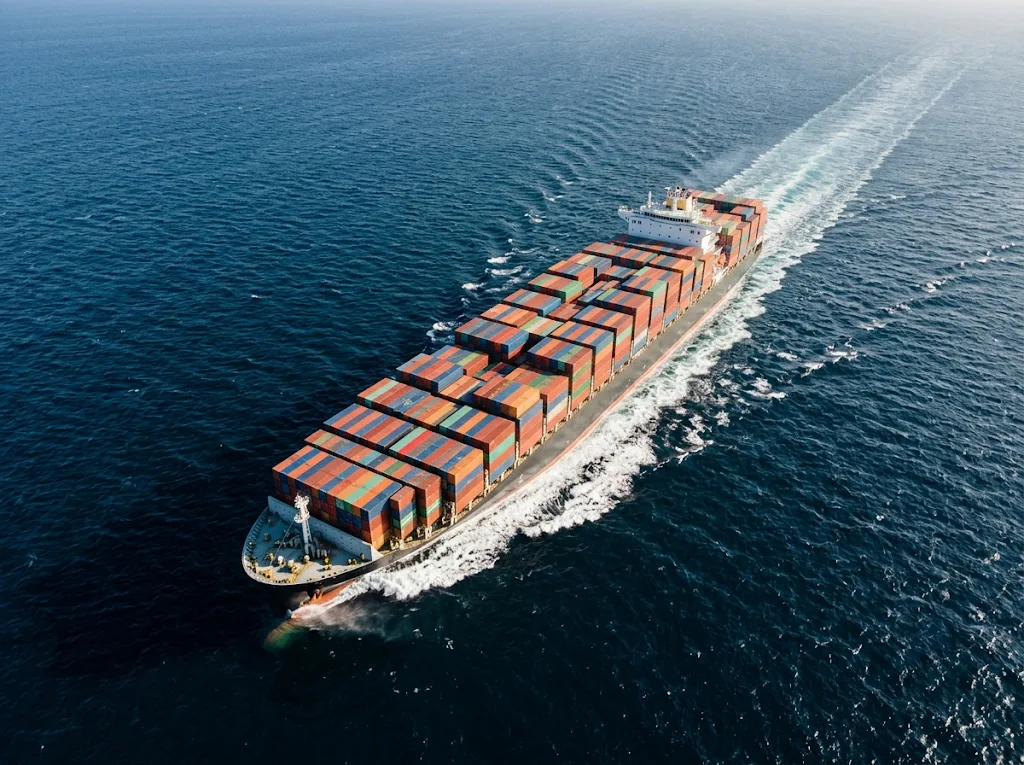
Whether you pay a war risk surcharge (WRS) depends on your vessel’s route and the carrier’s tariff, not on your destination port. Carriers add it when a ship calls at or passes through waters that marine insurers list as high-risk, and it covers the carrier’s costs, not your cargo. Before you book from China or elsewhere in Asia, check the port rotation, how the charge is billed, when it takes effect, who pays it under your Incoterm and whether your cargo has war cover.
What Is a War Risk Surcharge in Ocean Freight?
A war risk surcharge recovers the extra costs a carrier takes on in conflict zones: additional hull war insurance, security and longer routes. In the London market, the Joint War Committee of Lloyd’s and IUA underwriters publishes the Listed Areas, and ships entering them must notify their hull war underwriters, who then negotiate any additional premium. Carriers pass those costs on under names such as war risk surcharge or emergency conflict surcharge, so read each fee line by what it covers rather than looking only for “WRS.”
A WRS moves with security risk, not fuel prices. Keep it separate from the bunker adjustment factor when you compare quotes.
Which Ocean Shipments Face a War Risk Surcharge?
Any sailing that calls at or transits a listed area can carry the charge. As of September 2026, the listed waters include the Persian/Arabian Gulf, the Gulf of Oman, the Gulf of Aden and the southern Red Sea. The Black Sea, the Sea of Azov and the ports of several Middle East countries are listed too.
Your final port doesn’t settle it. Cargo bound for an unaffected Mediterranean port can still draw a WRS if the ship goes through the Red Sea or transshipment happens at a Gulf hub such as Jebel Ali. Transpacific sailings to U.S. West Coast ports don’t pass through these waters. Ask for the full port rotation and every transshipment port before you accept the quote.

How Do Carriers Price and Apply a War Risk Surcharge?
The amount depends on the equipment you book, and the start date depends on the trade lane.
Billing Units
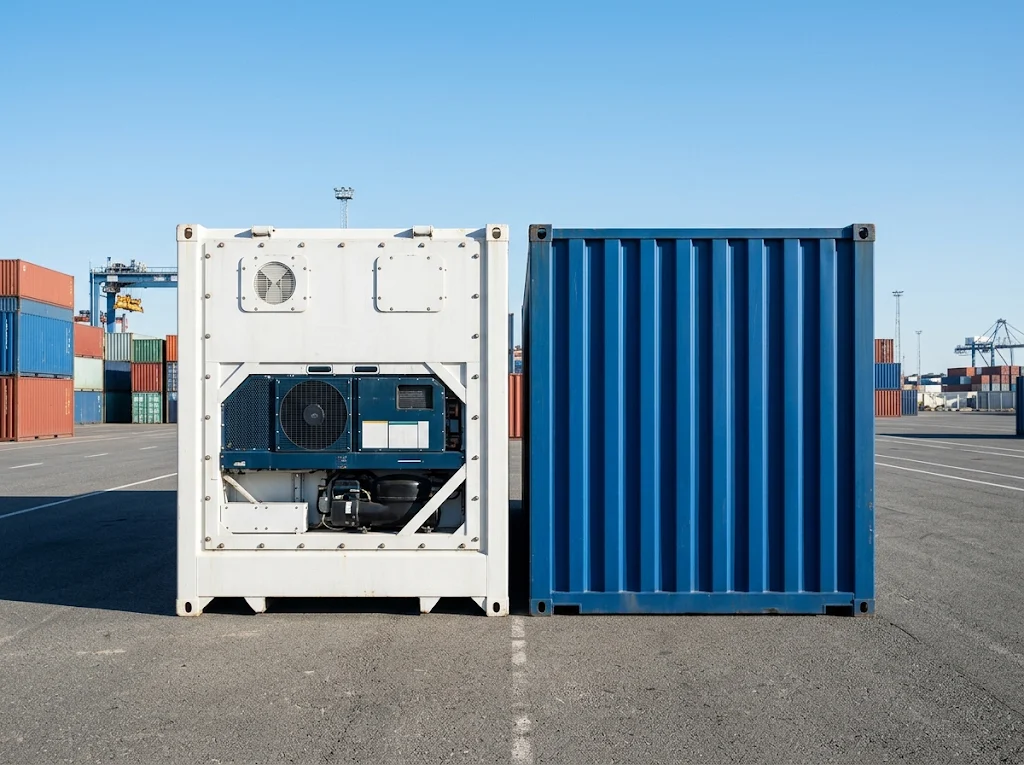
Carriers bill it as a flat amount per container or per TEU, and reefers and special equipment can cost more. In March 2026, for example, Hapag-Lloyd set its Gulf WRS at USD 1,500 per TEU for standard containers and USD 3,500 per reefer or special-equipment container. For LCL cargo, the forwarder passes the box charge on across the shared container, so ask which billing basis it uses. Ask for base freight and the WRS as separate lines, and get the quote’s expiry date in writing.
Effective Dates
On U.S. trades, a surcharge that raises your cost can’t take effect until 30 days after the carrier publishes it in its tariff, unless the Federal Maritime Commission (FMC) grants special permission. The rate that applies is the one in effect when the carrier or its agent receives your cargo. In March 2026, FMC Chairman Laura DiBella voted against several carrier requests to start Hormuz-related war risk surcharges early, because the carriers hadn’t linked the surcharge amounts to actual cost data.
Other trades have no such waiting period. Hapag-Lloyd’s Gulf WRS applied immediately to bookings issued from March 2, 2026, to earlier bookings not yet shipped and to cargo already at sea but not yet discharged, while its U.S. portion started on April 1. On those lanes, a container that rolls to a later vessel can be caught by a surcharge that starts in between.
Who Pays the War Risk Surcharge Under Your Incoterm?
Your Incoterms rule decides who owes the charge, but the carrier bills whoever pays the ocean freight on the bill of lading.
| Incoterms Rule | Who Pays Main Ocean Freight and Its Surcharges |
|---|---|
| EXW, FCA, FOB | The buyer |
| CFR, CIF, CPT, CIP | The seller, to the named destination port, unless the contract passes surcharge increases to the buyer |
| DAP, DDP | The seller, to the named delivery place |
If your supplier pays the freight, agree in writing before departure who covers a surcharge introduced mid-voyage. An unpaid charge can delay release at the destination.
Does a War Risk Surcharge Insure Your Cargo?
No. A WRS pays the carrier’s costs and gives you no claim if war damages your goods. Standard cargo cover doesn’t fill the gap either: Institute Cargo Clauses (A) exclude war, civil war, capture and seizure (piracy excepted) and derelict weapons under Clause 6. Those risks need separate war cover, such as the Institute War Clauses (Cargo), CL385. That cover generally applies only while goods are on the ocean vessel, ending at discharge or 15 days after arrival at the final port, whichever comes first. Confirm the terms of your cargo insurance with your insurer before booking through listed waters.
Booking China Ocean Freight When War Risk Surcharges Apply
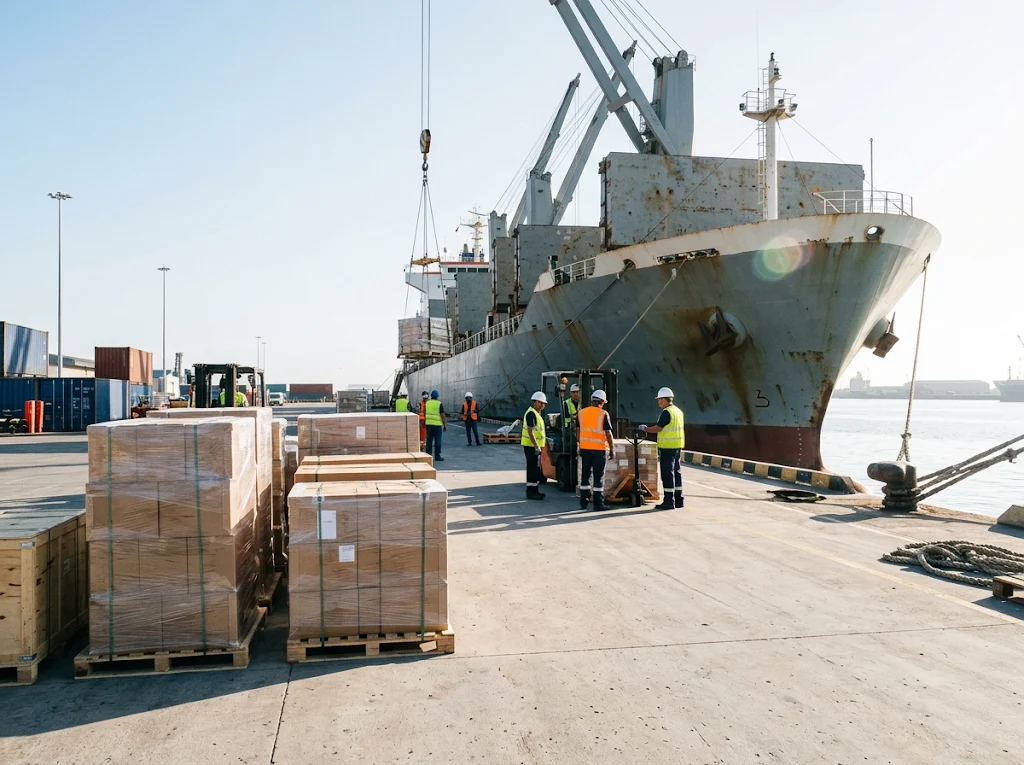
When several suppliers ship separately, one late factory can push its cargo past a surcharge’s start date. Multi-supplier consolidation puts the orders on one booking and one cutoff, though the carrier’s WRS still applies to every container on a listed route.
Foresmart receives each supplier’s goods at its warehouses in China, handles agreed repacking or palletizing and plans the combined load as LCL or FCL. Send Foresmart your supplier cities, ready dates, total dimensions and weight, destination port and Incoterm, and ask for base freight and any WRS as separate lines. Foresmart takes on shipments of 100 kg or 1 CBM or more.
Frequently Asked Questions
Can You Negotiate a War Risk Surcharge?
Rarely on spot bookings, where carriers apply their published surcharges. Service contracts may set different terms, so check how yours treats new surcharges. On U.S. trades, FMC rules require an NVOCC to list carrier surcharges in its tariff and bar it from marking them up above cost, which gives you grounds to check pass-through charges.
Can a Carrier Reroute or Discharge Cargo at Another Port?
Yes. Carrier terms usually allow it when a risk affects the voyage. Maersk’s terms of carriage, for example, let the carrier take an alternative route and charge extra freight, store the goods, or end the carriage at a port it considers safe. Full freight stays earned, and the Merchant pays the extra costs.
Does a War Risk Surcharge Increase Customs Value?
It depends on the destination. U.S. customs value excludes international freight when it’s identified separately from the price paid, so an itemized WRS stays out of dutiable value. EU customs value includes transport and insurance costs up to the point of entry into the EU, so a WRS on that leg adds to the duty and import VAT base.
Source
- Joint War Committee, Lloyd’s Market Association: the committee’s membership, Listed Areas and the duty to notify underwriters.
- Listed Area, TT Club: listed areas as amended by Joint War Committee circular JWLA-035, September 2026.
- Shipping to and from the Upper Gulf, Arabian Gulf, and Persian Gulf? A War Risk Surcharge (WRS) is coming up, Hapag-Lloyd: WRS amounts by equipment, scope and effective dates.
- 46 CFR 520.7, Tariff limitations, Legal Information Institute (Cornell Law School): the cargo receipt rule and the ban on NVOCC markups of carrier surcharges.
- 46 CFR 520.8, Effective dates, Legal Information Institute (Cornell Law School): the 30-day notice rule for cost increases.
- Commission Statement Regarding Strait of Hormuz Surcharges, Federal Maritime Commission: the 30-day rule and special permission requests, March 11, 2026.
- Statement of Chairman Laura DiBella on Special Permissions, Federal Maritime Commission: disapproval of early war risk surcharges without cost data, March 23, 2026.
- Institute Cargo Clauses (A) and Institute War Clauses (Cargo), 1/1/2009, TT Club: the Clause 6 war exclusion and the scope and duration of war cover.
- Terms for Carriage, A.P. Moller – Maersk: Clauses 16, 19 and 20 on earned freight, routes and matters affecting performance.
- 19 CFR 152.103, Transaction value, Electronic Code of Federal Regulations: the exclusion of international freight from U.S. customs value.
- Regulation (EU) No 952/2013 (Union Customs Code), EUR-Lex: Article 71(1)(e) on transport and insurance costs in EU customs value.